
How to Prevent Mosquito Breeding at Construction Sites: DOSH Guidelines & Site Management Guide
Affiliate links: we may earn a commission. Disclosure
Decision details
Fits if: Project managers, site safety supervisors (SSS), contractors, and civil engineers operating construction projects in Malaysia.
Main drawback: Failure to control mosquito breeding at construction sites carries statutory stop-work orders and heavy fines under the Destruction of Disease-Bearing Insects Act.
Compare: Compliance with DOSH guidelines, lift pit sump dewatering protocols, storage of hollow scaffolding and formwork, and weekly site inspection routines.
In this guide
How to prevent mosquito breeding at construction sites and comply with DOSH guidelines
Construction projects across Malaysia operate in high-rainfall tropical environments where open excavations, structural concrete slabs, and temporary worker amenities constantly accumulate rainwater. Proactive engineering and operational controls include:
- Active Sump Dewatering: Unfinished basement levels, lift pits, and footing trenches collect seepage water. Installing automatic submersible pumps connected to sediment retention basins prevents stagnant pool formation.
- Proper Storage of Formwork and Scaffolding: Stacking hollow steel pipes, concrete mould panels, and wheelbarrows vertically under shelter prevents rainwater from collecting inside recesses.
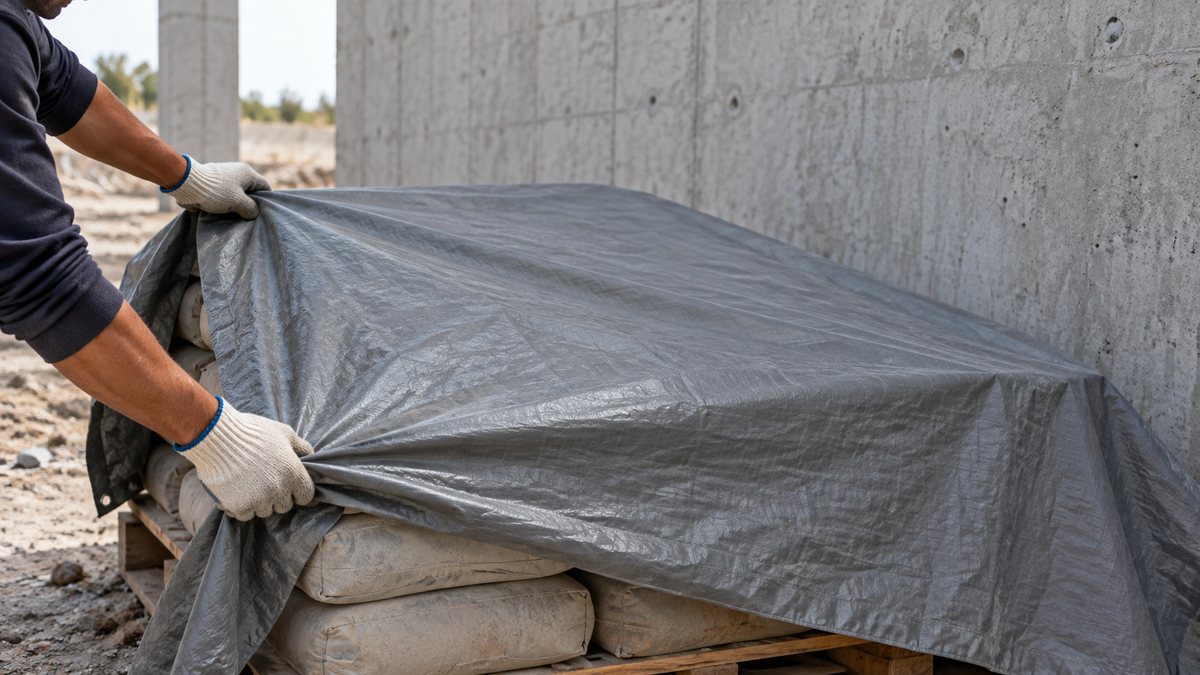
- Canvas and Tarpaulin Tightening: Securing plastic tarpaulins over cement bags and equipment with sufficient tension prevents sagging folds that hold rainwater.
World Health Organization environmental management directives identify the elimination of artificial aquatic habitats on commercial and residential building plots as the foundation of vector control [source].
| Construction Site Zone | High-Risk Breeding Vectors | Engineering / Operational Solution | Inspection Cadence |
|---|---|---|---|
| Lift Shafts & Basement Pits | Deep pooling water from rain & groundwater seepage | Automatic submersible sump pump dewatering | Daily monitoring / continuous pumping |
| Material Storage Yard | Hollow metal pipes, wooden pallets, wheelbarrows | Vertical stacking under covered shed; invert barrows | Weekly site audit |
| Temporary Tarpaulin Covers | Sagging dips holding rainwater over equipment | Tightly stretch canvas; angle frames for drainage | After every rain event |
| Perimeter Boundary Earth Drains | Silt accumulation, collapsed mud banks | Install pre-cast U-drains & clear silt traps weekly | Weekly clearing routine |
Worker quarters (kongsi) sanitation and personal protection standards
Temporary on-site worker accommodation (rumah kongsi) represents another high-risk focal area for vector propagation if not strictly maintained:
- Covered Water Storage Tanks: Workers’ shower drums and wash basins must be fitted with tight-fitting covers or fine brass mesh to stop mosquito oviposition.
- Refuse Management: Discarded beverage cans, plastic containers, and instant noodle packaging must be deposited into closed lidded rubbish bins and disposed of off-site regularly.
- Window Mesh Netting: Installing magnetic or fixed insect screens on kongsi sleeping quarters protects workers from night-flying and day-biting vectors.
Statutory compliance and enforcement risks under Malaysian law
Under the Destruction of Disease-Bearing Insects Act 1975 (Act 154) [source] and DOSH regulations, construction sites found harbouring mosquito larvae face:
- Stop-Work Orders (Notis Perintah Berhenti Kerja): Halting site operations until complete environmental remediation is verified.
- Compound Fines & Court Prosecution: Significant monetary penalties imposed on contractors and site developers for recurring non-compliance.
- Project Handover Delays: Costly liquidated ascertained damages (LAD) caused by mandatory remediation shutdowns.
Mandatory weekly site inspection and dewatering protocol (Deep dive)
Because the complete Aedes mosquito life cycle from egg to flying adult spans approximately 7 days in standing water [source], DOSH and the Ministry of Health Malaysia (KKM) mandate weekly 10-minute search-and-destroy routines on all active job sites [source]:
- Designate a Site Safety Vector Officer: Appoint a dedicated safety supervisor or enviro-officer to lead weekly perimeter sweeps every Friday.
- Grade Uneven Ground Surfaces: Fill wheel ruts created by heavy machinery with crushed aggregate to prevent ponding.
- Inspect Silt Traps & Earth Drains: Ensure sediment collection basins have unobstructed spillways and do not retain stagnant water layers.
- Maintain Written Inspection Logs: Document all cleared puddles, dewatered sumps, and remediation actions in the official site safety logbook.
Heavy-duty submersible sump pumps, geotextile silt barriers, and industrial PPE netting can be sourced via commercial hardware suppliers on Shopee.
Baca juga: hub nyamuk · how-to-prevent-mosquito-breeding-at-construction-site-bm
Frequently asked questions
What are the most critical mosquito breeding hotspots at Malaysian construction sites?
Elevator shaft lift pits, sagging tarpaulin canvas covers, discarded rubber tyres, hollow scaffolding pipes, and unfinished basement drainage sumps.
What official guideline governs mosquito control on construction sites in Malaysia?
The DOSH Garis Panduan Pengawalan Nyamuk Aedes Di Tapak Bina sets mandatory protocols for vector breeding prevention, weekly inspections, and dewatering.
How quickly must stagnant water be removed from construction excavations?
All temporary puddles and excavation accumulations must be pumped out or treated within 7 days before mosquito larvae can complete their development cycle into flying adults.