
How to Control Backyard Mosquitoes: Outdoor Yard Solutions & Garden Protection Guide
Affiliate links: we may earn a commission. Disclosure
Decision details
Fits if: Landed homeowners, urban gardeners, and terrace house residents in Malaysia looking to enjoy their outdoor patio and garden without mosquito swarms.
Main drawback: Avoid broad chemical yard spraying that harms beneficial garden pollinators like bees and butterflies; rely on physical source reduction.
Compare: Identification of hidden garden water traps, canopy pruning methods, natural mosquito-repelling landscaping plants, and safe outdoor traps.
In this guide
How to control backyard mosquitoes and reduce outdoor yard swarms
Malaysian landed homes with backyards, patio landscaping, or side gardens frequently face intense mosquito pressure due to high ambient humidity and frequent rainfall. Practical yard management focuses on key environmental controls:
- Eliminate Micro-Pockets of Water: Potted plant base saucers, overturned wheelbarrows, garden hose nozzles, and hollow bamboo stakes collect tiny puddles that mosquitoes exploit for egg-laying.
- Prune Overgrown Shrubberies: Adult mosquitoes seek dark, humid, wind-protected resting spots during the hottest hours of the day. Thinning lower branches and trimming hedges improves sunlight penetration and dries out damp soil surfaces.
- Landscape with Natural Botanical Deterrents: Interplanting citronella grass (serai wangi), sweet basil, lemon basil, and rosemary around outdoor seating areas helps disperse natural essential oils that mask human CO2 plumes.
Vector management guidelines from the World Health Organization emphasize routine destruction of artificial water-holding habitats as the primary defense against outdoor mosquito populations [source].
| Yard Control Strategy | Method & Action Required | Impact on Beneficial Insects | Maintenance Frequency |
|---|---|---|---|
| Source Reduction (Emptying Water) | Emptying pot saucers, clearing drain gutters | Completely Safe (zero chemical impact) | Weekly (every 7 days) |
| Canopy & Hedge Pruning | Trimming dense foliage to allow sun & breeze | Beneficial (promotes healthy plant growth) | Monthly or as needed |
| Repellent Herb Landscaping | Planting citronella, basil, and rosemary | Positive (attracts pollinators while repelling pests) | Continuous biological deterrence |
| Outdoor Electronic Bug Traps | UV light & suction fans on patio perimeters | Low risk if placed away from flowering beds | Nightly operation / clean tray weekly |
How to avoid mosquito bites while gardening and working in the yard
Active gardeners working among damp foliage can minimize bites by adopting simple personal habits:
- Appropriate Clothing: Wear loose-fitting, light-coloured long-sleeved shirts and trousers. Dark colours (black, navy) strongly attract heat-seeking mosquitoes, and tight leggings allow proboscis penetration.
- Timing Garden Tasks: In Malaysia, peak biting activity for day-biting Aedes mosquitoes typically occurs around early morning and late afternoon. Midday gardening tasks under direct sun involve significantly fewer active flying insects.
- Portable Citronella Diffusers & Fans: Placing an outdoor oscillating fan on the patio creates breeze currents exceeding mosquito flying velocity (approx. 2.4 km/h), physically keeping them away from seating areas.
Protecting backyard fish ponds and aquatic garden features
If your backyard features an ornamental koi pond, water lily bowl, or lotus pot, maintain biological controls to prevent larvae survival:
- Stock Native Larvivorous Fish: Adding small surface-feeding fish such as guppies (ikan gapi) or mollies to water lily containers ensures any deposited mosquito eggs and emerging larvae are consumed instantly.
- Maintain Water Agitation: Installing a small solar-powered fountain or bubbler disrupts the surface tension of the water, preventing female mosquitoes from landing to lay eggs.
Step-by-step weekly 10-minute garden inspection and drainage protocol (Deep dive)
Aedes mosquito larvae develop from egg to adult in approximately 7 days under warm Malaysian temperatures [source]. Following the Ministry of Health Malaysia (KKM) weekly 10-minute search-and-destroy routine eliminates larvae before they become flying adults [source]:
- Clear Perimeter Boundary Drains: Remove fallen leaves and silt from garden drainage channels to maintain continuous flow.
- Scrub Potted Plant Saucers: Empty water trays and wipe the inner rim with a brush to dislodge adhered insect eggs.
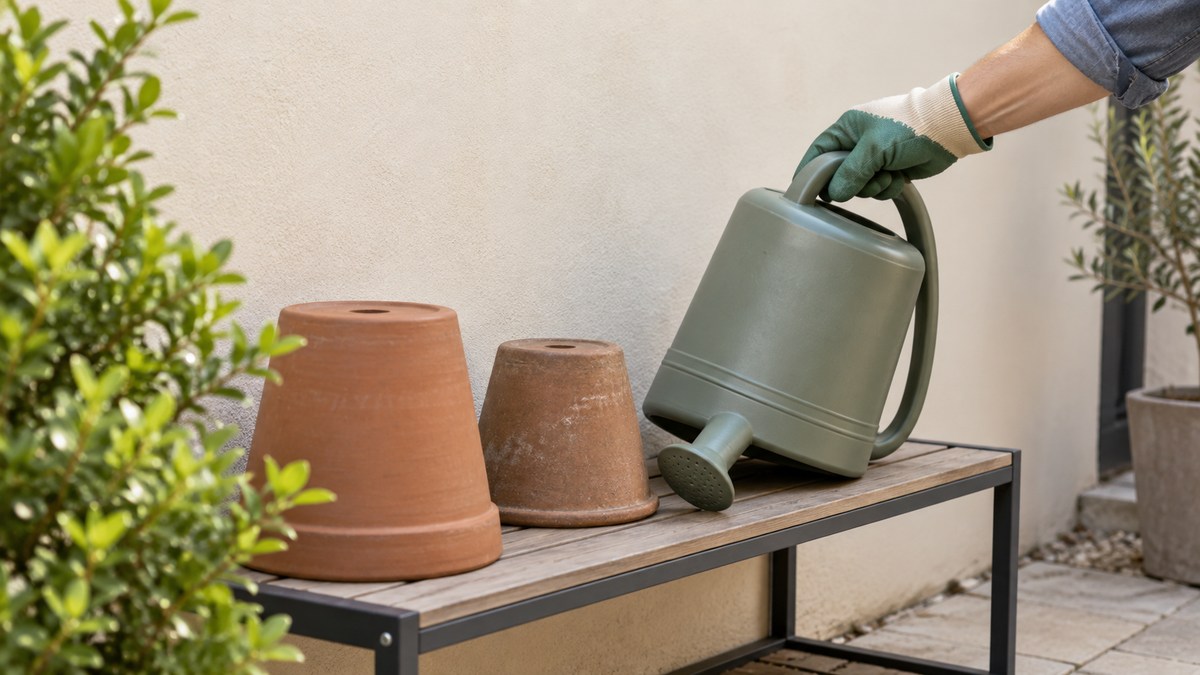
- Invert Unused Containers: Turn empty flowerpots, pails, and watering cans upside down under shelter.
- Inspect Leaf Axils & Bromeliads: Flush water trapped inside bromeliad leaf cups with a strong hose jet or replace with soil-based plantings.
Garden pruning shears, outdoor UV mosquito suction traps, and natural citronella garden candles can be ordered through verified merchants on Shopee.
Baca juga: hub nyamuk · mosquito-yard-spray-pet-safe · why-do-i-have-a-lot-of-mosquitoes-in
Frequently asked questions
What is the best way to prevent mosquito bites while gardening outdoors?
Wear light-coloured long-sleeved clothing, apply natural repellent oils (such as citronella or eucalyptus), and garden during midday when Aedes mosquito activity dips relative to dawn and dusk.
Which garden plants naturally help repel outdoor mosquitoes in Malaysia?
Planting fragrant aromatic herbs such as lemongrass (serai wangi), rosemary, sweet basil, and marigolds creates an outdoor scent perimeter that masks human attractants.
How often should I inspect my garden for mosquito breeding sites?
Inspect your garden and patio once a week for 10 minutes to empty plant saucers, unblock perimeter perimeter drains, and clear water-retaining leaf litter.