
Golf Course Mosquito Control in Malaysia: Water Hazard Treatments, Turf Care & Player Protection
Affiliate links: we may earn a commission. Disclosure
Decision details
Fits if: Golf course superintendents, estate managers, golf resort operators, and golfers in Malaysia seeking effective bite prevention on fairways.
Main drawback: Broad-spectrum chemical thermal fogging on open fairways dissipates rapidly in tropical winds and risks harming beneficial pond aquatic life; focus on targeted biological larval control.
Compare: Biological larvicide safety for fish, non-disruptive early morning treatments, Act 154 statutory compliance, and DEET/Icaridin repellent availability for players.
In this guide
With dozens of hectares spanning fairways, lush roughs, and retention ponds, golf clubs present unique pest management challenges. Humid tropical heat and regular irrigation ensure damp ground conditions year-round, making systematic environmental vector management essential for player retention and guest satisfaction.
Why golf courses attract heavy mosquito populations in tropical climates
Several landscape features inherent to 9-hole and 18-hole courses foster mosquito reproduction and shelter:
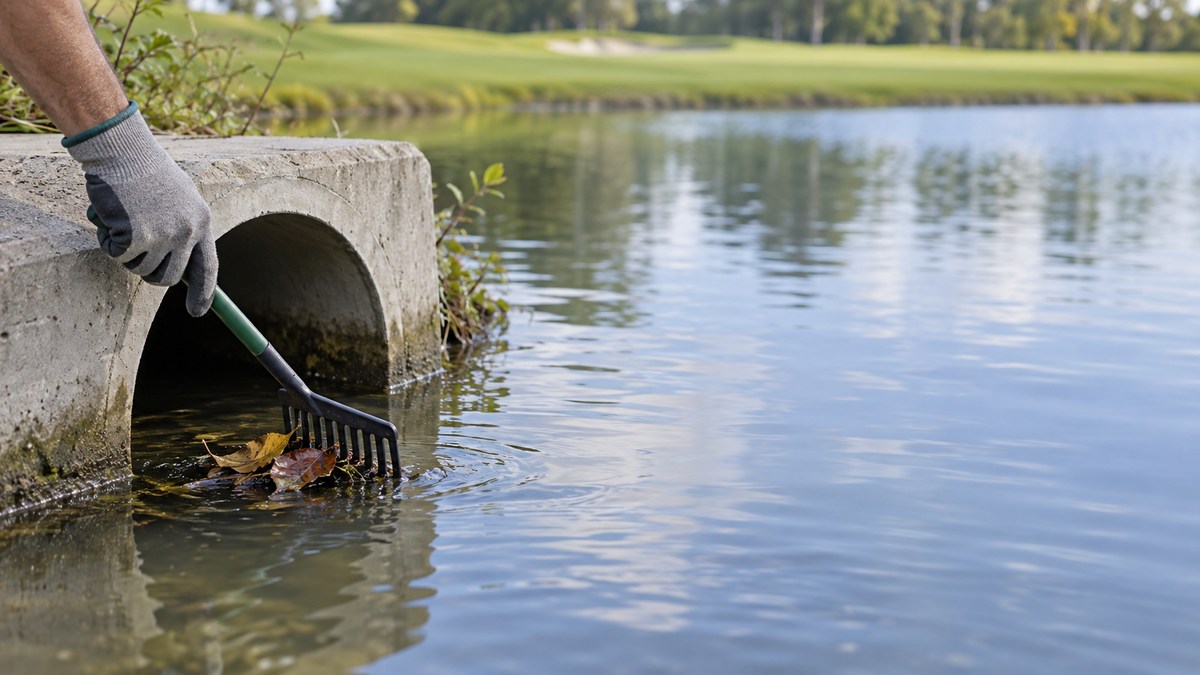
- Water Hazards & Retention Ponds: While large, aerated lakes with active fish populations naturally limit larvae, stagnant shallow marshy edges and overgrown reeds provide secluded breeding habitats.
- Irrigation Drainage Swales & Cart Paths: Heavy daily watering and tropical rainfall leave standing water puddles along low-lying roughs and cart path culverts.
- Dense Jungle & Forest Borders: Shaded fairway boundaries and secondary forest fringes offer cool resting cover for adult mosquitoes during the heat of midday.
- Breeding Cycle Speed: Under Malaysian temperature conditions, mosquito eggs develop into biting adults in just 7 days[source], requiring weekly inspections.
Biological larviciding and water hazard management for fairways
Blanket chemical spraying over vast open turf is both cost-prohibitive and ecologically damaging. Golf course superintendents achieve superior results through targeted biological methods:
- BTI Microbial Larvicides: Utilizing Bacillus thuringiensis israelensis (BTI) dunks or granules in retention ponds and drainage canals selectively destroys mosquito larvae without harming beneficial fish, dragonflies, or aquatic plants.
- Larvivorous Fish Stocking: Introducing native fish species (such as guppies or Gambusia) into decorative ponds provides continuous biological predation against mosquito larvae.
- Clearing Weed Encroachment: Regularly trimming emergent vegetation along lake banks eliminates the quiet, still water pockets where larvae thrive.
- Cart Path Culvert Flushing: Ensuring underground drainage pipes have adequate fall to prevent silt accumulation and standing water pools.
Clubhouse perimeters, driving ranges and player bite protection
Protecting high-traffic commercial zones—including the pro shop, alfresco dining terraces, changing rooms, and driving range bays—demands localized intervention:
- CO2 & Octenol Lure Trap Fleets: Deploying commercial-grade suction traps along clubhouse landscaped perimeters draws mosquitoes away from seated guests and outdoor dining tables.
- Personal Repellent Amenities: Providing golfer amenities like DEET (20–30%) or Picaridin/Icaridin sprays and repellent towelettes on buggies and tee-off huts gives players immediate on-course defence[source].
- Buggy Canopy Airflow: Mosquitoes are weak fliers; maintaining clear paths and utilizing directional fans at driving range bays substantially reduces bites during evening practice sessions.
- Equipment Procurement: Repellent supplies, outdoor battery-powered diffuser devices, and personal protection sprays are accessible through reputable distributors on Shopee[source].
Legal obligations and vector compliance for golf resorts in Malaysia
Golf clubs and sports resort operators bear statutory duties to maintain pest-free environments under Malaysian law:
- Destruction of Disease-Bearing Insects Act 1975 (Act 154): Premise managers are legally obligated to ensure course grounds do not facilitate vector breeding, subject to official public health inspections and compounded penalties[source].
- Weekly 10-Minute Maintenance Standard: Implementing a structured weekly grounds check across buggy bays, plant nurseries, and maintenance yards aligns with national vector control protocols[source].
- Responsible Environmental Communication: Course management should communicate mosquito suppression efforts transparently without making unrealistic claims of complete eradication[source].
| Management Zone | Primary Treatment Method | Environmental Safety | Maintenance Interval |
|---|---|---|---|
| Water Hazards & Ponds | Biological BTI granules & fish stocking | Fish-safe; non-toxic to wildlife | Every 14 to 30 days |
| Fairway Drainage Culverts | Silt clearing, mechanical flushing & larviciding | Safe; prevents runoff contamination | Weekly routine check |
| Clubhouse & Dining Terraces | Continuous CO2 & lure suction traps | Safe; no chemical drift near food/guests | Weekly net cleaning |
| Wooded Roughs & Tree Lines | Targeted residual barrier misting (low drift) | Targeted foliage only; avoid water features | Monthly or pre-tournament |
| Buggy Bays & Tee-Off Huts | Personal repellent sprays (DEET/Picaridin) | Safe for skin application when labelled | Daily golfer amenity |
Baca juga: hub nyamuk · mosquito-killer-review · padang-golf-pangkalan-jati-en
Frequently asked questions
Why are mosquitoes so prevalent on golf courses in Malaysia?
Large water hazards, extensive irrigation systems, shaded jungle borders, and slow-moving perimeter turf drains create continuous breeding and daytime resting habitats.
What is the best way to treat golf course lakes without harming fish?
Biological larvicides using Bacillus thuringiensis israelensis (BTI) target mosquito larvae specifically without affecting fish, turtles, frogs, or turf grass.
When are golfers at highest risk of mosquito bites on the fairway?
Early morning tee-offs and late afternoon rounds coincide with peak feeding hours of daytime-biting Aedes mosquitoes along wooded fairway borders.