
How to Stop Mosquitoes Breeding in Drains: Perimeter Drain, Sump & Shower Trap Guide
Affiliate links: we may earn a commission. Disclosure
Decision details
Fits if: Landed homeowners, residents, and building maintenance personnel in Malaysia dealing with stagnant water and mosquito swarms in perimeter or indoor drains.
Main drawback: Pouring engine oil or harsh toxic solvents into stormwater drains is illegal and damages local waterways; use physical flushing and mechanical barriers.
Compare: Identification of drain stagnant points, sediment removal procedures, bathroom drain flap mechanisms, and weekly inspection cadence.
In this guide
How to stop mosquitoes breeding in drains and residential drainage sumps
Perimeter concrete drains around landed houses and urban residential developments are primary contributors to localized mosquito swarms when water fails to discharge completely:
- Address Uneven Concrete Gradients: Depressions in perimeter drain channels trap shallow puddles after rain, providing an uninterrupted aquatic environment for mosquito reproduction.
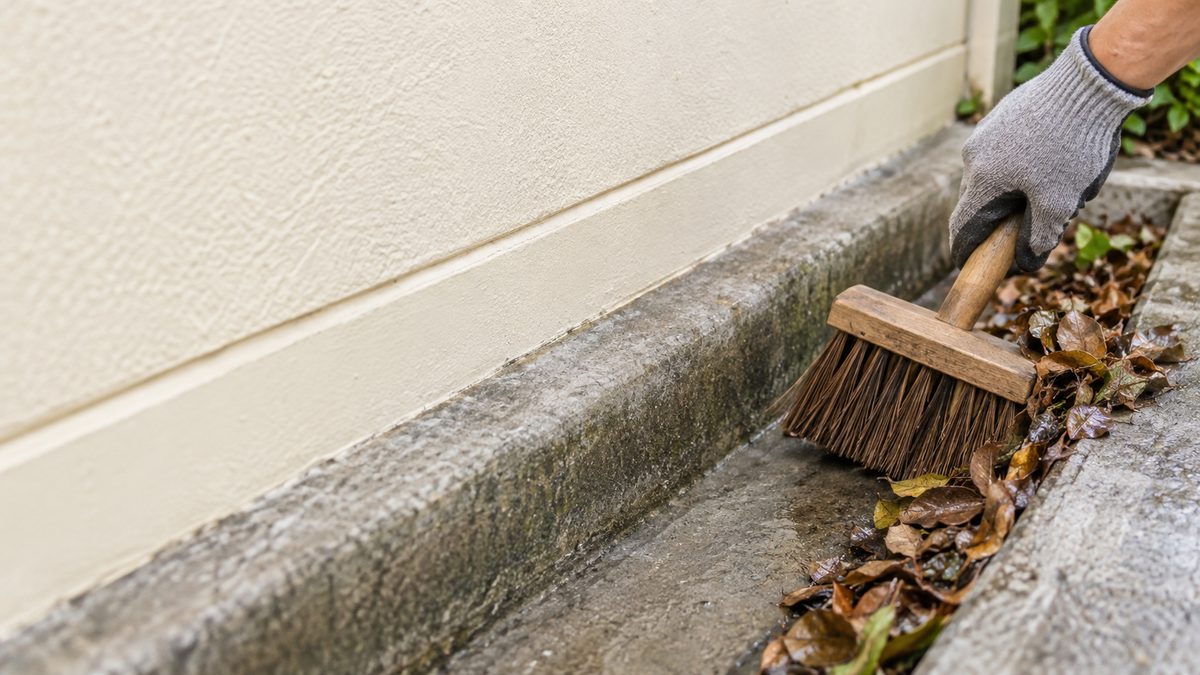
- Clear Trapped Organic Debris: Decaying leaves, garden cuttings, and road silt accumulate at drain grating corners, damming up water flow and creating organic slime.
- Inspect Subsurface Sump Pits: Concrete inspection sumps located at compound corners often feature deep standing water beneath the outlet pipe invert level.
The World Health Organization identifies the systematic management and maintenance of domestic drainage systems as a vital component of integrated vector control [source].
| Drain Location & Type | Primary Breeding Cause | Mechanical / Physical Fix | Maintenance Cadence |
|---|---|---|---|
| Perimeter Concrete Drain (Longkang) | Trapped leaves, sand buildup, uneven slope | Stiff broom sweeping; smooth patch concrete dips | Weekly clearing |
| Corner Inspection Sump | Water level sits below outflow pipe lip | Fill base with sand/gravel or install mesh screen | Monthly inspection |
| Bathroom / Shower Floor Trap | Dry water seal or unsealed open pipe | Install silicone one-way anti-pest drain core | Semi-annual check / clean hair trap |
| Basement & Car Porch Trench Drain | Vehicle wash runoff stagnation | Flush with high-pressure hose to municipal main | Bi-weekly washdown |
Preventing mosquitoes in indoor bathroom, shower, and sink drains
Mosquitoes and sewer flies can enter living quarters directly through indoor plumbing apertures:
- Silicone One-Way Drain Flaps: Replacing standard floor grating with a modern silicone one-way gravity core allows wastewater to drain freely while automatically snapping shut to prevent insects from crawling or flying upward.
- Keep U-Traps Wet: Guest bathrooms or secondary utility sinks that are rarely used can experience water evaporation in the P-trap, removing the physical water barrier. Run the tap for 10 seconds weekly to keep the trap filled.
- Avoid Pouring Used Cooking Oil: Pouring kitchen grease down sinks lines the interior walls of drainage pipes with sticky scum where drain fly larvae thrive.
Safe outdoor drain cleaning practices vs toxic dumping
Homeowners should avoid outdated and hazardous home remedies that harm municipal environments:
- Never Dump Used Engine Oil: Pouring motor oil into perimeter drains is illegal under environmental conservation acts, poisons aquatic ecosystems, and contaminates public waterways.
- Physical Sweeping & Flushing: Using a stiff broom with a water hose to push silt toward the main street drain is far more effective and environmentally responsible.
- Fine Stainless Steel Sump Covers: Covering corner sumps with 1mm stainless steel wire mesh prevents adult mosquitoes from accessing the water surface to lay eggs while allowing storm water entry.
Step-by-step weekly 10-minute drain clearing and flushing protocol (Deep dive)
Mosquito larvae transform into flying adults within approximately 7 days in warm tropical stagnant water [source]. Implementing the Ministry of Health Malaysia (KKM) weekly 10-minute routine prevents larvae maturation [source]:
- Inspect Front & Back Compound Channels: Walk the full length of the perimeter drain to spot areas where water remains trapped after rain.
- Remove Debris Dams: Use a trowel or stiff garden broom to scoop out dead leaves, soil, and stray plastic wrappers.
- Wash Away Shallow Puddles: Flush lingering puddles using clean garden water so no standing water remains motionless for more than a few hours.
- Verify Drain Grate Sealing: Ensure heavy cast-iron or stainless steel drain grates are seated firmly without gaps that allow debris accumulation.
Silicone anti-odour and anti-pest floor drain valves, drain clearing brooms, and stainless steel inspection mesh covers can be purchased from trusted home improvement merchants on Shopee.
Baca juga: hub nyamuk · mosquito-drain-treatment · how-to-stop-mosquitoes-breeding-in-drains-bm
Frequently asked questions
Why do mosquitoes breed so quickly in Malaysian residential drains?
Drains often suffer from broken concrete gradients, trapped fallen leaves, and sand siltation that create stagnant, nutrient-rich pools of water where female mosquitoes lay eggs.
How do I prevent mosquitoes from flying up through bathroom and shower floor drains?
Install a silicone one-way anti-pest floor drain core or a fine stainless steel mesh trap that allows water drainage while physically blocking insect passage.
What is the safest way to clear mosquito larvae from outdoor perimeter drains?
Sweeping the drain weekly with a stiff broom to flush out stagnant puddles and ensuring unobstructed flow to the main municipal monsoon drain.