
Best Way to Kill Mosquito Larvae in Swimming Pool: Chlorination, Filtration & Larvicide Guide
Affiliate links: we may earn a commission. Disclosure
Decision details
Fits if: Essential for pool owners, property managers, and homestay operators dealing with neglected or stagnant pool water in Malaysia.
Main drawback: Do not allow swimmers into the pool until chlorine and pH levels normalize; for stagnant kiddie pools, complete draining and scrubbing is safest.
Compare: Chlorine concentration balance, water circulation turnover time, and physical surface skimming frequency.
In this guide
Best way to kill mosquito larvae in swimming pool: chemical shock and circulation
In tropical climates like Malaysia, an untreated or neglected swimming pool can quickly turn into a mosquito breeding ground. Mosquitoes lay eggs along the waterline or in calm pockets of stagnant water:
- Chlorine Shock (Superchlorination): Applying pool shock increases free available chlorine to high concentrations, neutralizing swimming larvae and breaking down organic contaminants.
- Continuous Pump Circulation: Running the filtration system creates surface agitation that prevents female mosquitoes from landing to lay eggs and forces larvae into the filter skimmer basket.
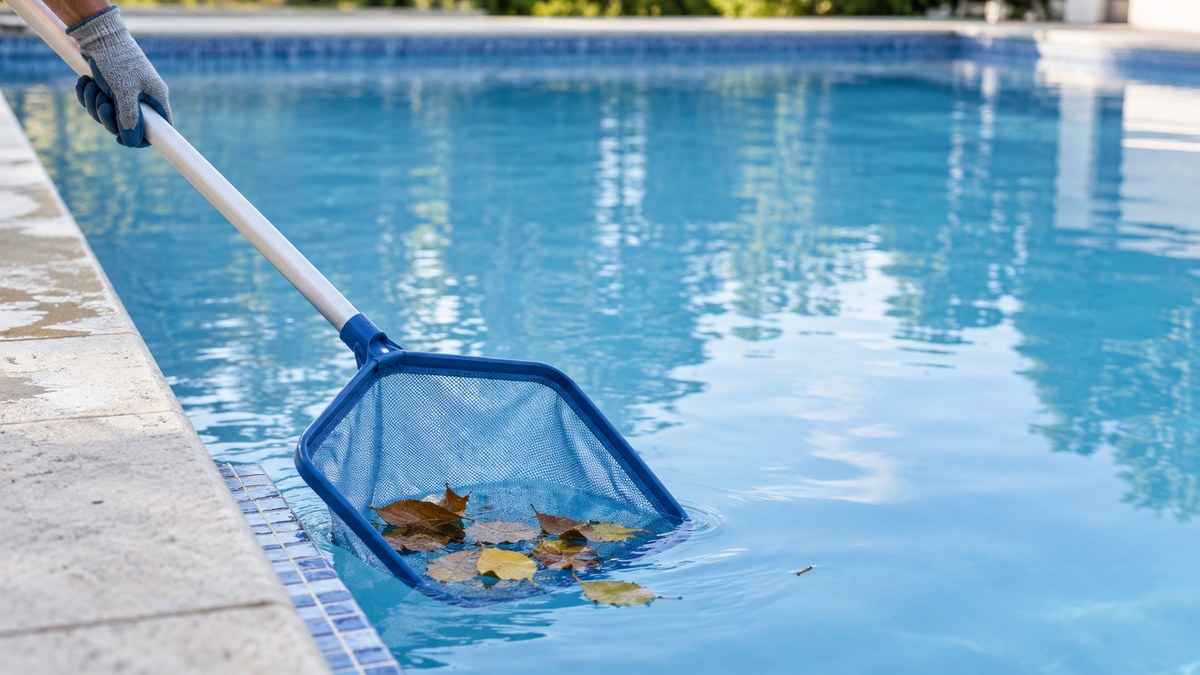
- Surface Skimming: Use a fine-mesh leaf skimmer net to remove floating organic debris, dead larvae, and leaves where mosquito larvae seek shelter from water movement.
Statutory protections under Act 149 require that pool maintenance chemicals and hardware are handled according to label guidelines without unauthorized pesticide self-labelling [source]. Under Act 290, commercial water-treatment solutions must not claim absolute medical dengue protection [source].
Identifying mosquito larvae versus tadpoles and non-target organisms
Before treating water features or garden ponds, distinguishing between invasive mosquito larvae and beneficial aquatic life prevents unnecessary ecological harm:
- Mosquito Larvae (Jentik-jentik): Small (2 to 10 mm), segmented organisms that hang upside down or sideways from the water surface to breathe air through a siphon tube, twitching vigorously in an S-shaped motion when disturbed.
- Tadpoles (Berudu): Distinct round heads with long swimming tails, larger overall body volume, and smooth undulating swimming strokes along the pool floor or walls rather than hanging from the surface.
| Treatment Method | Primary Mechanism | Best Application Scenario | Era & Source |
|---|---|---|---|
| Chlorine Shock Treatment | Rapid oxidation of larval tissues | In-ground and above-ground concrete pools | disemak 2026, pool sanitation standards |
| Continuous Filtration | Water movement & mechanical capture | Active swimming pools & lap pools | disemak 2026, water hydraulics protocol |
| Complete Draining & Scrubbing | Physical habitat elimination | Inflatable waders & kiddie plunge pools | disemak 2026, public hygiene guidelines |
| Biological Larvicide (BTI) | Targeted bacterial protein ingestion | Unchlorinated decorative ponds & retention basins | disemak 2026, vector control literature |
Maintenance schedule to prevent future larvae development
In warm stagnant water, the mosquito development cycle from newly laid egg to biting adult completes in as few as 7 days [source].
Preventing re-infestation requires consistent water management:
- Daily Water Circulation: Run pool pumps daily to ensure full water turnover and prevent stagnant dead zones.
- Weekly Sanitation Routine: Conduct a 10-minute weekly inspection of pool covers, ladder recesses, and surrounding drainage sumps to remove trapped rainwater [source].
- Cover Management: Tightly secure pool covers when leaving the property vacant, and drain any rainwater that collects on top of the tarp [source].
- Maintenance Supplies: Pool test kits, skimmer nets, and water conditioning accessories can be acquired through verified merchants on Shopee [source].
Baca juga: hub nyamuk · best-way-to-kill-mosquito-larvae-in-swimming-pool-bm
Frequently asked questions
Can mosquito larvae survive in a chlorinated swimming pool?
Larvae cannot survive in a properly maintained and chlorinated pool with functioning circulation. They only appear when chlorine dissipates and the pump remains inactive.
How quickly does pool shock kill mosquito larvae?
A standard chlorine shock treatment typically eliminates existing mosquito larvae within a few hours when circulating throughout the pool.