
Does citronella repel crane flies
Decision details
In this guide
Biological comparison: true mosquitoes (Culicidae) vs crane flies (Tipulidae)
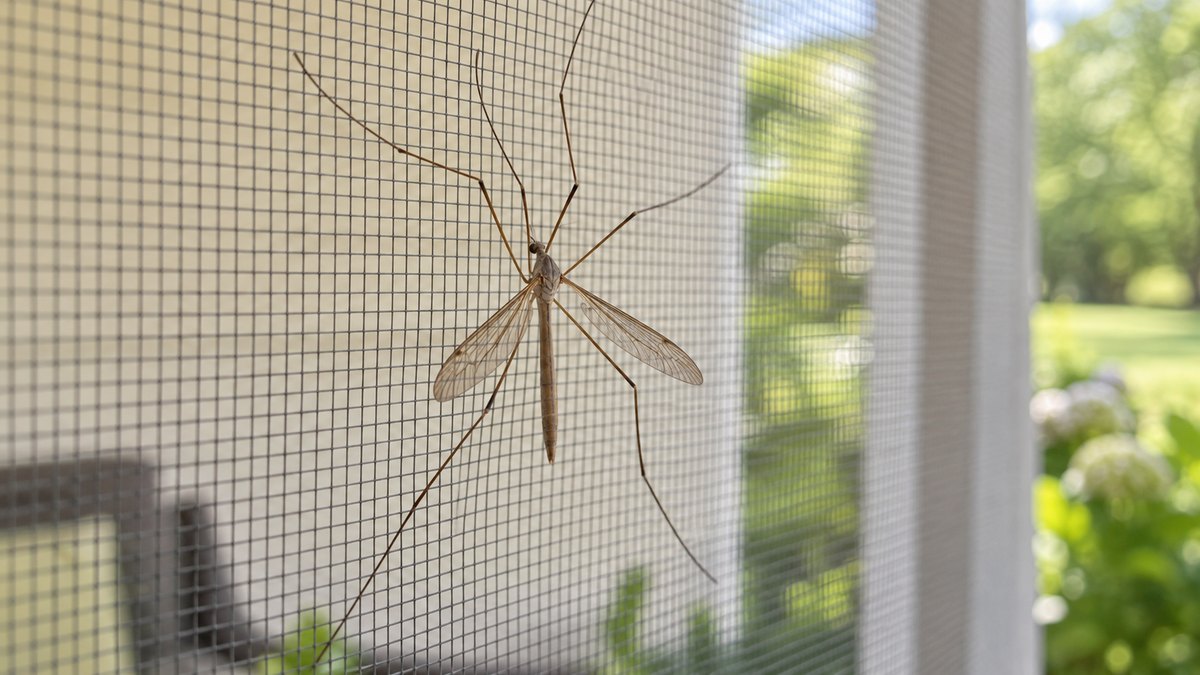
Homeowners frequently mistake crane flies for giant mosquitoes due to their elongated bodies and fragile, oversized legs. Consequently, many attempt to disperse them using citronella candles, incense sticks, or essential oil diffusers.
Understanding their biological differences explains why botanical repellents fail against crane flies:
| Biological / Behavioral Trait | Biting Mosquito (*Aedes / Culex*) | Crane Fly (*Tipulidae*) | Citronella Efficacy Verdict |
|---|---|---|---|
| Primary Host Attraction Cue | Carbon dioxide plume, body heat, lactic acid | Artificial light sources & moist soil | Citronella masks host odour; completely ineffective against light-seeking crane flies. |
| Adult Mouthparts & Feeding | Piercing-sucking proboscis for blood meals | Vestigial non-biting mouthparts (drinks nectar/water) | Crane flies never bite humans; no host-seeking mechanism exists to disrupt. |
| Larval Breeding Environment | Stagnant water in domestic containers/drains | Damp garden soil, decaying turf, compost leaf litter | Water container management controls mosquitoes, not soil-dwelling crane fly larvae. |
| Public Health Threat Level | High (transmits dengue, chikungunya, zika) | Zero (harmless nuisance insect, no venom or pathogens) | No chemical extermination or pesticide spraying is required for crane flies. |
How citronella interacts with insect olfactory systems
Citronella oil—derived from the leaves of Cymbopogon nardus or Cymbopogon winterianus—contains active volatile terpenes such as citronellal, citronellol, and geraniol:
- Repelling True Biting Mosquitoes: In female Aedes mosquitoes, citronella molecules bind to and overload olfactory receptor proteins located on their antennae. This creates a sensory vapor blanket that temporarily conceals the scent of human skin.
- Interaction with Crane Flies: Crane flies do not possess specialized host-seeking receptors for carbon dioxide detection. Their nocturnal flights are driven by navigational mechanics oriented toward moonlight, which artificial residential bulbs mimic. Because their sensory apparatus is attuned to luminosity rather than host scents, citronella vapors have zero deterrent impact on their flight trajectory.
Does commercial mosquito spray kill beneficial pollinators and bees?
When homeowners observe large swarms of flying insects in their garden or porch, they often reach for commercial aerosol insecticide sprays. However, applying household mosquito spray outdoors carries significant ecological consequences:
- Broad-Spectrum Pyrethroid Neurotoxicity: The majority of retail aerosol sprays contain synthetic pyrethroids (such as cypermethrin, permethrin, or prallethrin). These compounds are non-selective contact nerve poisons that disrupt sodium channels in insect nervous systems.
- Severe Hazard to Honeybees and Stingless Bees: Bees (Apis cerana, Apis mellifera, and Kelulut / Trigona) are acutely sensitive to airborne pyrethroid droplets. Spraying aerosol cans into garden bushes or outdoor flowering plants causes rapid mortality among foraging bees and beneficial predatory ladybugs.
- Pesticides Act 1974 Regulatory Standard: Under Act 149 [source], household insecticide products are registered with explicit label use instructions. Aerosol sprays are formulated strictly for indoor targeted spot knockdown, not broad-spectrum outdoor garden misting.
Why crane flies congregate around Malaysian homes and porches
Crane flies enter residential compounds due to predictable environmental factors:
- Phototaxis Toward Bright Porch Lights: High-intensity white LED, fluorescent, and halogen exterior lights act as powerful visual beacons for nocturnal insects emerging after twilight.
- Moist Lawn Turf and Garden Mulch: Following tropical afternoon downpours or automatic sprinkler cycles, saturated soil and organic compost provide optimal micro-habitats for crane fly pupae to emerge.
- Draft Capture into Living Spaces: Due to their lightweight bodies, crane flies caught in exterior air drafts are easily swept into living rooms and hallways whenever main entrance doors open.
Hardware and layered protection: managing indoor mosquitoes vs garden insects
Rather than burning ineffective citronella coils or spraying toxic chemicals outdoors, homeowners should utilize a layered, species-appropriate control strategy:
| Control Tool / Method | Estimated Market Price | Target Mechanism & Operational Scope |
|---|---|---|
| Citronella oil & scented candles | Variable retail cost | Mild personal scent masking; useful for patio dining but ineffective on crane flies. |
| Yellow anti-insect porch lighting | Low cost (hardware replacement) | Emits long-wavelength yellow light that flying night insects cannot easily detect. |
| Indoor aerosol knockdown spray | RM7[source] - RM16[source] / can | Fast indoor knockdown for resting Aedes mosquitoes; keep away from outdoor bees. |
| Electric liquid vaporiser unit | RM13.90[source] (starter) / RM14.66[source] (refill) | Continuous nocturnal bedroom protection against biting mosquitoes. |
| Indoor suction fan trap | RM39.90[source] / unit | Physically captures small indoor flying insects without chemical vapor emission. |
| Outdoor UV zapper lantern | RM50[source] - RM90[source] / unit | Attracts and eliminates nocturnal lawn insects on open outdoor verandahs. |
| Rechargeable electric swatter | RM10[source] - RM30[source] / unit | Targeted manual removal of stray insects entering living areas. |
Practical steps to insect-proof your property
To safeguard your living environment against dangerous Aedes dengue vectors while coexisting harmlessly with outdoor garden insects:
- Modify Outdoor Fixtures: Replace cool-white 6500K exterior lamps with 2200K yellow bug lights to drastically reduce the number of insects clustering at entry doorways.
- Maintain Window and Door Screens: Ensure magnetic mesh screens are installed across all room windows and louvered vents, preventing both harmless crane flies and biting mosquitoes from crossing into sleeping quarters.
- Weekly Container Search-and-Destroy: Over 70%[source] of Aedes breeding occurs in domestic residential containers. Follow KKM and WHO guidelines [source] by investing at least 10 minutes every week [source] to clear plant saucers, gutter debris, and open pails.
This balanced, evidence-based approach ensures reliable home defense against biting pests without damaging garden pollinators.
Baca juga: hub nyamuk · do-mosquito-traps-attract-more-mosquitoes · mosquito-trap-yeast-brown-sugar-water
Frequently asked questions
Will citronella candles keep crane flies away from an outdoor patio?
Citronella candles have minimal deterrent effect on crane flies because these insects navigate by artificial light and ground moisture rather than seeking human body scent.
Are crane flies harmful to household pets or children?
Crane flies are completely harmless to humans and animals. They lack biting mouthparts, possess no stingers, and do not transmit any viral diseases.
Does commercial mosquito spray kill beneficial garden bees?
Yes. Synthetic pyrethroid aerosol sprays are broad-spectrum contact insecticides that will kill honeybees and stingless bees if sprayed outdoors near blooming flowers.
What is the best way to stop crane flies gathering around the porch?
Switch outdoor fixtures to yellow bug lights and ensure window and door mesh screens are properly fitted to physically prevent entry.