
Tomato Yellow Leaf Curl Virus & Disease Guide: Symptoms, Whitefly Vectors & Fruit Borer Management
Decision details
Fits if: Open-field and protected-rain-shelter tomato growers, fertigation operators, and home vegetable gardeners across Malaysia.
Main drawback: Do not attempt to cure infected tomato vines with chemical fungicides; once systemic viral symptoms appear, rogued plants must be removed and incinerated immediately.
Compare: Upward leaf curling, chlorotic margins, stunting of shoot terminals, silverleaf whitefly vector presence, and balanced potassium-calcium nutrition.
In this guide
What are the key symptoms and transmission causes of Tomato Yellow Leaf Curl Virus (TYLCV)?
Tomato Yellow Leaf Curl Virus is among the most damaging viral diseases affecting solanaceous crops in tropical lowland and highland farms in Malaysia:
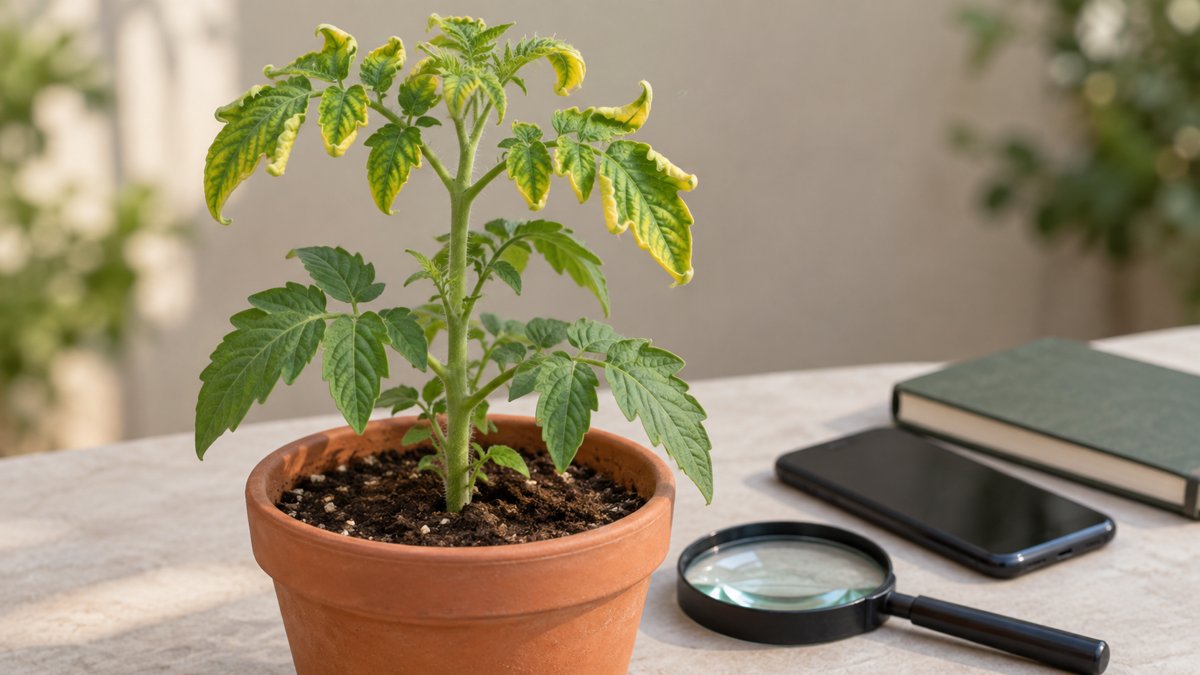
- Upward Leaf Cupping & Margins: Young terminal leaflets curl upward into a cup shape, showing mottled chlorosis and pale yellow leaf margins.
- Vegetative Stunting: Internodes become severely shortened, giving the top of the vine an erect, bunched, or rosette-like appearance.
- Flower Abortion & Poor Fruit Set: Blossoms drop prematurely before setting fruit; any fruit formed prior to severe infection remains small, distorted, and unmarketable.
- Vector Transmission Mechanism: The virus is persistently vectored by the silverleaf whitefly (Bemisia tabaci). Adult whiteflies acquire the virus while feeding on infected weed hosts or diseased crops and transmit it rapidly to healthy seedlings.
Because viral infections cannot be reversed once established in the plant’s vascular system, symptomatic plants should be rogued out and destroyed to stop field-wide spread.
How do major tomato diseases and caterpillar pests compare in Malaysian cultivation?
Effective diagnosis distinguishes viral vector-borne infections from foliar fungal blights and fruit-boring caterpillars:
| Pest / Disease Name | Primary Diagnostic Symptoms | Transmission / Trigger Factor | Integrated Management Strategy |
|---|---|---|---|
| Yellow Leaf Curl Virus (TYLCV) | Upward leaf curling, stunted bushy growth, yellow margins | Silverleaf whiteflies (*Bemisia tabaci*) vectoring begomovirus | Rogue infected vines, install 32-mesh netting, use tolerant seeds. |
| Early & Late Blight | Concentric dark brown target spots or water-soaked lesions | High relative humidity, splashing rain, continuous leaf wetness | Improve canopy airflow, avoid overhead watering, apply copper protectants. |
| Bacterial Wilt (*Ralstonia*) | Rapid daytime wilting while foliage remains green, stem vascular browning | Soil-borne bacterial pathogen entering via root wounds or waterlogged soil | Graft onto resistant rootstocks, practice crop rotation, raise planting beds. |
| Tomato Fruit Borer (*Helicoverpa*) | Entry holes drilled into green and ripening fruit, internal frass | Nocturnal adult moths ovipositing eggs on blossoms and young foliage | Deploy pheromone traps, spray botanical neem extracts, scout morning eggs. |
How can growers manage whiteflies, fruit caterpillars, and foliar fungal blights?
Implementing an integrated pest and disease management framework protects tomato vines across both nursery and field stages:
- Physical Vector Exclusion: Cultivating tomatoes under protected rain shelters (SPH) fitted with fine 32-mesh insect-proof netting prevents whiteflies, aphids, and fruit borer moths from accessing vulnerable foliage.
- Yellow Sticky Traps: Suspending yellow sticky cards above the canopy monitors whitefly population surges early before viral transmission escalates.
- Biological & Botanical Repellents: Routine late-afternoon applications of emulsified neem oil or Bacillus thuringiensis (Bt) control chewing caterpillars without leaving toxic chemical residues on ripening fruit.
- Sanitation & Weed Reservoir Eradication: Eliminating alternate weed hosts (such as wild solanaceous weeds and nightshades) around greenhouse perimeters removes wild virus reservoirs.
What fertilizer practices enhance tomato plant vitality and natural stress resistance?
Robust physiological health and balanced plant nutrition provide structural resistance against pest feeding and secondary infections:
- 4R Nutrient Stewardship: Comply with Department of Agriculture Malaysia (DOA) 4R principles—applying the right fertilizer source, at the right rate, at the right time, and placed accurately around the drip line [source].
- Balanced Vegetative Development: Apply balanced compound fertilizers such as
15:15:15during early vegetative establishment to develop sturdy stems and expansive roots. - Fruit Sizing & Cell Wall Strength: Shift to high-potassium formulations like
12:12:17+2MgOcomplemented by water-soluble calcium-boron foliar feeds during flowering to prevent blossom end rot and strengthen fruit rinds. - Soil Biological Health: Incorporating mature compost and microbial amendments enhances soil enzyme activity (including cellulase, phosphatase, and urease), optimizing nutrient absorption and root vitality [source].
In the context of farm input economics where fertilizer price increases above 120% have impacted grower margins [source], precision drip fertigation minimizes waste. Certified fertilizers, insect netting, and drip irrigation accessories can be sourced through verified agricultural merchants on Shopee [source].
Baca juga: hub baja · gejala-penyakit-tomato-yellow-leaf-curl-virus · why-are-my-tomatoes-not-getting-big-en
Frequently asked questions
What are the primary symptoms of Tomato Yellow Leaf Curl Virus (TYLCV)?
Infected tomato plants display pronounced upward curling of leaf margins, severe yellowing (chlorosis) on new growth, reduced leaf size, and stunted bush-like growth with flower drop.
How is Tomato Yellow Leaf Curl Virus transmitted between plants?
TYLCV is transmitted predominantly by silverleaf whiteflies (*Bemisia tabaci*) as they feed on the sap of young foliage, rather than through seed or mechanical pruning contact.
How can farmers prevent tomato fruit borers and caterpillars from damaging fruit?
Install fine 32-mesh insect barrier netting, perform regular morning egg scouting, and apply botanical neem oil sprays or microbial bio-controls during early flowering.