
How to Plant Carpet Grass and Turf on Grave Sites in Malaysia: Soil Prep, Laying & Care
Decision details
Fits if: Suitable for memorial plots, landscape perimeters, and cemetery grounds requiring low-erosion, neat, and durable turf cover.
Main drawback: Carpet grass requires full tropical sunlight and daily watering during the initial 14-day establishment phase; poorly drained clay causes thatch yellowing.
Compare: Turfgrass species suitability, soil compaction resistance, topsoil aeration, and 4R slow-release nutrient feeding.
In this guide
Site Preparation, Weed Removal and Topsoil Leveling on Plots
Establishing a neat, green carpet turf over memorial mounds or cemetery plots begins with thorough ground preparation:
- Clearing Wild Vegetation: Manually dig out all invasive weeds, lalang roots, and stones from the plot surface.
- Grading & Leveling: Shape the soil mound to allow gentle water runoff away from the headstone, preventing standing water depressions.
- Topsoil Spreading: Spread a 3cm to 5cm layer of fertile black topsoil mixed with washed river sand (3:1 ratio) to create a loose, moisture-retentive bedding layer.
- Soil Conditioning: Incorpating well-decomposed organic compost enriches beneficial bacteria and triggers soil enzyme mechanisms [source] that facilitate rapid root penetration.
Choosing the Right Grass: Carpet Grass, Cow Grass and Philippine Grass
Selecting the appropriate turfgrass species depends on plot sunlight exposure and maintenance availability:
| Turf Variety | Botanical Name | Sunlight Requirement | Maintenance Level | Best Use & Fertilizer Schedule |
|---|---|---|---|---|
| Philippine Grass (Rumput Filipina) | Zoysia matrella | Full Sun (6+ hours) | Moderate - High | Dense velvet turf, NPK 15:15:15 every 6 weeks per 4R [source] |
| Cow Grass (Rumput Padang) | Axonopus compressus | Full Sun to Partial Shade | Low | Highly hardy, drought-tolerant, low-cost maintenance |
| Japanese Grass (Rumput Jepun) | Zoysia japonica | Full Sun | Moderate | Fine blade texture, slow vertical growth |
| Bermuda Grass (Rumput Helikopter) | Cynodon dactylon | Full Sun | High | Fast-spreading rhizomes, requires frequent mowing |
Step-by-Step Sod Laying and Compaction Technique
To ensure the turf forms a continuous, seamless green mat:
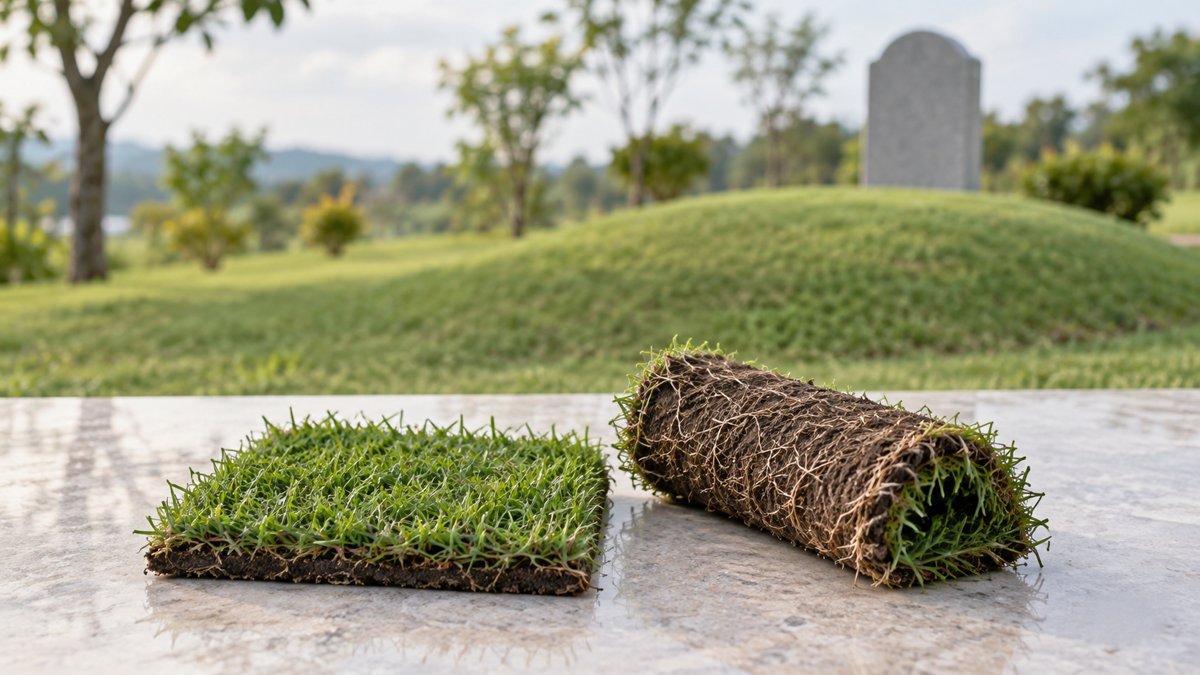
- Tight Sod Placement: Lay rectangular grass sods closely edge-to-edge in a staggered brick pattern. Avoid leaving wide gaps between sod slabs where weeds can establish.
- Surface Compaction: Gently tamp down the laid sods using a flat wooden tamper or roller to ensure total root-to-soil contact and eliminate air pockets beneath the sod.
- Topdressing Gaps: Lightly brush fine sand and sifted topsoil into any joint seams to lock the edges together.
Watering Schedule and Rooting Phase Management
Moisture regulation during the initial establishment window is critical under the Malaysian tropical sun:
- Days 1 to 14 (Rooting Phase): Water the plot thoroughly twice daily (early morning before 9.00 AM and late afternoon after 5.00 PM) to keep the sod pieces moist.
- Testing Root Anchorage: After 10 days, gently tug a corner of the sod. If it resists lifting, the new white roots have successfully penetrated the ground.
- Transitioning to Normal Maintenance: Once established, taper watering to once daily or as dictated by rainfall patterns.
4R Turf Fertilization and Soil Enzyme Conditioning
Lawn grasses require balanced nitrogen, phosphorus, and potassium to maintain deep green pigmentation without excessive thatch buildup. Adhering to 4R nutrient stewardship [source] prevents nutrient runoff and optimizes budget allocations in the face of agricultural fertilizer inflation exceeding 120% [source].
- Application Timing: Apply 20g to 30g of granular NPK 15:15:15 per square metre every 6 to 8 weeks.
- Placement & Watering: Broadcast granules evenly across dry grass blades, followed immediately by thorough watering to dissolve the granules and prevent leaf burn.
- Organic Enrichment: Broadcast sifted organic compost or humic acid twice yearly to enhance soil microbial enzyme activity [source].
Long-Term Mowing, Weed Control and Thatch Maintenance
- Mowing Discipline: Trim grass blades when they exceed 5cm in height, cutting only the top one-third of blade length to maintain turf density.
- Manual Weeding: Hand-pull broadleaf weeds when they first emerge before they disperse seeds across the plot.
- Aeration: Poke small holes across compacted soil with a garden fork once a year to allow oxygen and rainwater to penetrate deep root zones.
Baca juga: hub baja · baja-rumput-filipina-en · npk-untuk-rumput-jepang-en
Frequently asked questions
Which grass variety is best suited for grave sites in Malaysia?
Philippine grass (Zoysia matrella) and Cow grass (Axonopus compressus) are most popular; Cow grass offers superior drought tolerance and low maintenance, while Philippine grass provides a dense, velvet carpet appearance.
How long does newly laid carpet turf take to establish roots in Malaysia?
Sod pieces typically knit securely into the topsoil within 10 to 14 days when watered twice daily during the establishment period.
What fertilizer is best for maintaining green carpet grass?
Apply slow-release balanced NPK 15:15:15 or organic bio-compost every 6 to 8 weeks following 4R guidelines to prevent leaf scorching while nourishing soil microbes.