
Fresh Mint Leaves (Daun Pudina) Pricing & Cultivation Guide: 1kg Wholesale Rates, Care & Soil Nutrition
Decision details
Fits if: Foodservice operators, restaurant chefs, commercial herb growers, urban balcony gardeners, and grocery produce managers in Malaysia.
Main drawback: Do not expose freshly harvested cut mint leaves to ambient tropical heat or store them wet, as rapid transpiration causes rapid leaf blackening.
Compare: Crisp stem turgidity, aromatic essential oil strength, absence of fungal leaf spots, and cold storage moisture retention.
In this guide
What factors drive fresh mint leaf (daun pudina) prices per 1kg in Malaysia?
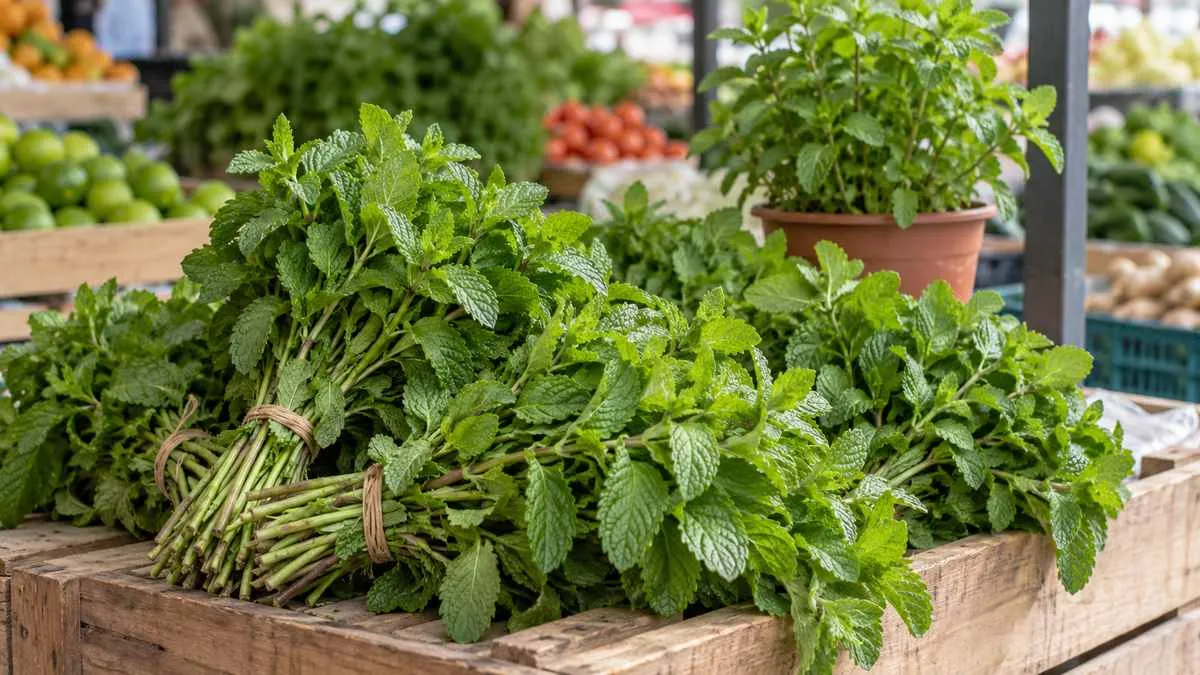
Mint leaves (Mentha spicata / spearmint and Mentha × piperita / peppermint) represent high-turnover culinary herbs across Malaysian food establishments, utilized in briyani, chutneys, grilled meats, and refreshing beverages:
- Procurement Format (Wholesale Bulk vs. Retail Clamshell): Sourcing mint in 1kg commercial bunches from regional wholesale markets (such as Pasar Borong Selayang) offers substantial savings per gram compared to buying 50g–100g sealed retail punnets in supermarkets.
- Transportation & Cold-Chain Integrity: Mint has tender leaves that transpire quickly under tropical heat. Deliveries originating from Cameron Highlands or local lowland hydroponic farms that maintain refrigerated transport retain crispness without leaf blackening.
- Official Market Guidelines: FAMA daily produce tracking provides an official transparent reference for wholesale and retail vegetable price trends [source].
How do different mint procurement channels and package formats compare?
Commercial buyers and home cooks choose from several purchasing options based on turnover speed and culinary requirements:
| Procurement Format | Packaging Specification | Primary User / Buyer Target | Shelf Life & Storage Conditions |
|---|---|---|---|
| Bulk 1kg Wholesale Crate | Perforated plastic liner with loose cut stems | Restaurants, catering kitchens, juice & mocktail bars | 4–6 days under continuous refrigeration (3–5°C) |
| Retail Punnet / Clamshell (50–100g) | Clear sealed plastic container | Home cooks, small households, casual culinary use | 3–5 days refrigerated; higher unit cost per gram |
| Live Nursery Polybag (Potted) | Rooted plant in soil/cocopeat nursery pot | Home gardeners, balcony growers, culinary displays | Continuous harvesting with regular sunlight and watering |
| Commercial Hydroponic Roots-On | Greenhouse NFT grown with attached root plug | Premium grocers, high-end dining establishments | 7–10 days with root plug kept in chilled shallow water |
How can commercial kitchens and growers minimize post-harvest mint decay?
Because mint leaf cell walls deteriorate rapidly after cutting, strict post-harvest protocols protect product value:
- Harvest Timing: Cut stems early in the morning before sun heat builds up to maximize aromatic essential oil concentration.
- Dry Refrigerated Storage: Avoid washing mint stems before refrigeration; unwashed stems wrapped in clean, lightly damp paper towels inside airtight containers resist fungal rot.
- Stem Hydration Technique: Placing trimmed stem ends in 2–3 cm of cold water inside a covered refrigerated jar keeps leaves fresh and crisp for extended storage.
What fertilizer and soil management practices sustain high-yielding mint crops?
Prolific vegetative flush and intense aromatic leaf oils depend on healthy root systems and disciplined feeding:
- 4R Nutrient Stewardship: Comply with Department of Agriculture Malaysia 4R principles (Right source, Right rate, Right time, Right place) to prevent excessive nitrogen leaching [source].
- Balanced Vegetative Feeding: Apply balanced compound fertilizers such as
15:15:15or mild liquid organic foliar feeds to encourage continuous branching after harvest cuts. - Enzyme-Active Organic Amendments: Incorporating mature compost elevates soil enzyme activity (such as protease and cellulase), accelerating organic matter decomposition and nutrient uptake [source].
Amid documented agricultural fertilizer price increases exceeding 120% [source], combining composted organic matter with precision mineral nutrition keeps production costs sustainable. High-grade compound fertilizers, potting media, and garden pruning shears can be ordered through verified merchants on Shopee [source].
Baca juga: hub baja · cara-jaga-pokok-daun-pudina-en
Harga daun pudina 1kg
What factors influence fresh mint leaf (daun pudina) prices per kg in Malaysia?
Mint leaves (Mentha spicata / spearmint and Mentha × piperita / peppermint) are high-turnover culinary herbs in Malaysian foodservice. They are heavily utilized in traditional Indian curries and chutneys, Middle Eastern grilled meats, Malay ulam spreads, and modern beverage and mocktail preparation.
Wholesale and retail unit pricing per kilogram is shaped by three key commercial elements:
- Procurement Tier (Wholesale Bulk vs. Retail Clamshell): Purchasing fresh mint in 1kg commercial bunches or crates from central wholesale markets (such as Pasar Borong Selayang) yields a much lower cost per gram than buying 50g–100g pre-packaged retail punnets in urban supermarkets.
- Transportation and Cold-Chain Integrity: Mint has delicate, thin leaves that transpire rapidly under tropical heat. Shipments transported from highland production hubs under refrigerated logistics command higher value because they arrive crisp without blackening or leaf drop.
- Official Market Guidelines: The Federal Agricultural Marketing Authority (FAMA) regularly monitors fresh culinary herb and vegetable movements to maintain transparent market price indicators [source].
How do different fresh mint procurement formats compare in Malaysia?
Buyers can source mint in various formats depending on culinary volume, storage facilities, and turnover velocity:
| Procurement Format | Typical Pack Specification | Primary Consumer / Commercial Target | Shelf Life & Storage Requirements |
|---|---|---|---|
| Bulk 1kg Wholesale Pack | Loose cut stems tied in breathable perforated liners | Restaurants, catering operations, juice and beverage bars | 4–6 days under strict refrigeration (3–5°C) with high relative humidity |
| Retail Clamshell / Bunch (50–100g) | Sealed clear plastic punnet or rubber-banded bundle | Household consumers, small home bakeries, casual home cooks | 3–5 days refrigerated; higher cost per gram due to packaging overhead |
| Live Potted Plant (Polibeg / Poly pot) | Rooted living plant in soil/cocopeat nursery pot | Home gardeners, balcony herb enthusiasts, restaurant displays | Continuous fresh harvest; requires regular watering, morning sunlight, and periodic feeding |
| Commercial Hydroponic Supply | Living root-on bunches from indoor/greenhouse NFT systems | Premium grocers, high-end culinary establishments | 7–10 days with roots immersed in chilled water; premium cleanroom grading |
How can buyers and commercial kitchens minimize post-harvest wilting and waste?
Because mint leaf cell walls degrade rapidly upon harvest, proper post-harvest handling is critical for cost control:
- Balanced Nutrient Management on Farm: Commercial herb growers maintain robust foliar tissue using balanced fertilizer schedules. Department of Agriculture Malaysia (DOA) 4R nutrient guidelines emphasize that excessive nitrogen does not necessarily produce better herbs [source] and can make leaves soft, watery, and prone to rapid transit decay, particularly in an environment of rising fertilizer costs [source].
- Immediate Moisture Management: Kitchens should avoid washing mint until immediately before service. Storing wet mint in plastic bags accelerates anaerobic leaf rot.
- Hydration Stem Method: Trimming stem ends and standing bunches upright in 2–3 cm of clean water inside a covered refrigerated container keeps leaves turgid and fragrant for up to a week.
Frequently asked questions
What factors primarily determine fresh mint leaf prices per 1kg in Malaysia?
Mint leaf prices per kilogram reflect procurement volume (bulk wholesale crates vs small retail punnets), cold-chain transit integrity from highland production hubs, and daily fresh produce market supply.
How can commercial kitchens and households store fresh cut mint to prevent wilting?
Trim stem bases slightly and stand bunches upright in shallow clean water covered loosely with a plastic bag inside the refrigerator, or wrap stems gently in damp paper towels.
What fertilization regimen promotes vigorous mint leaf regrowth after harvesting?
Apply balanced NPK compound fertilizers like 15:15:15 combined with well-cured compost to stimulate soil enzyme activity and steady vegetative flush.
Why is buying mint leaves by the kilogram cheaper than small retail plastic clamshells?
Bulk 1kg wholesale cartons eliminate individual single-use retail clamshell packaging, branding, and supermarket merchandising margins, offering substantial savings for high-volume foodservice operators.
How can restaurants and home cooks extend the shelf life of fresh cut mint?
Trim stem ends slightly, place them upright in a jar with shallow water covered loosely with a plastic bag in the refrigerator, or wrap them gently in damp paper towels inside an airtight container at 4°C.