
How to Care for Mint Plants (Pokok Daun Pudina) in Malaysia: Potting, Sunlight & Fertilizer Guide
Decision details
Fits if: Home gardeners, culinary herb enthusiasts, and urban container farmers growing peppermint or spearmint in pots, balcony planter boxes, or raised beds.
Main drawback: Waterlogged potting mix devoid of drainage holes rapidly triggers fungal root rot, causing sudden blackening and wilting of lower mint stems.
Compare: Porous potting soil structure, morning sun exposure, balanced organic nutrition under 4R guidelines, and frequent top stem pinching.
In this guide
cara jaga pokok daun pudina
Mint (Mentha spicata and Mentha piperita), locally known across Malaysia as daun pudina, is a popular culinary and medicinal herb. While mint is naturally vigorous and invasive in temperate climates, growing it successfully in Malaysia’s hot and humid tropical environment requires tailored potting, moisture, and nutritional practices.
1. Potting Mix and Container Selection
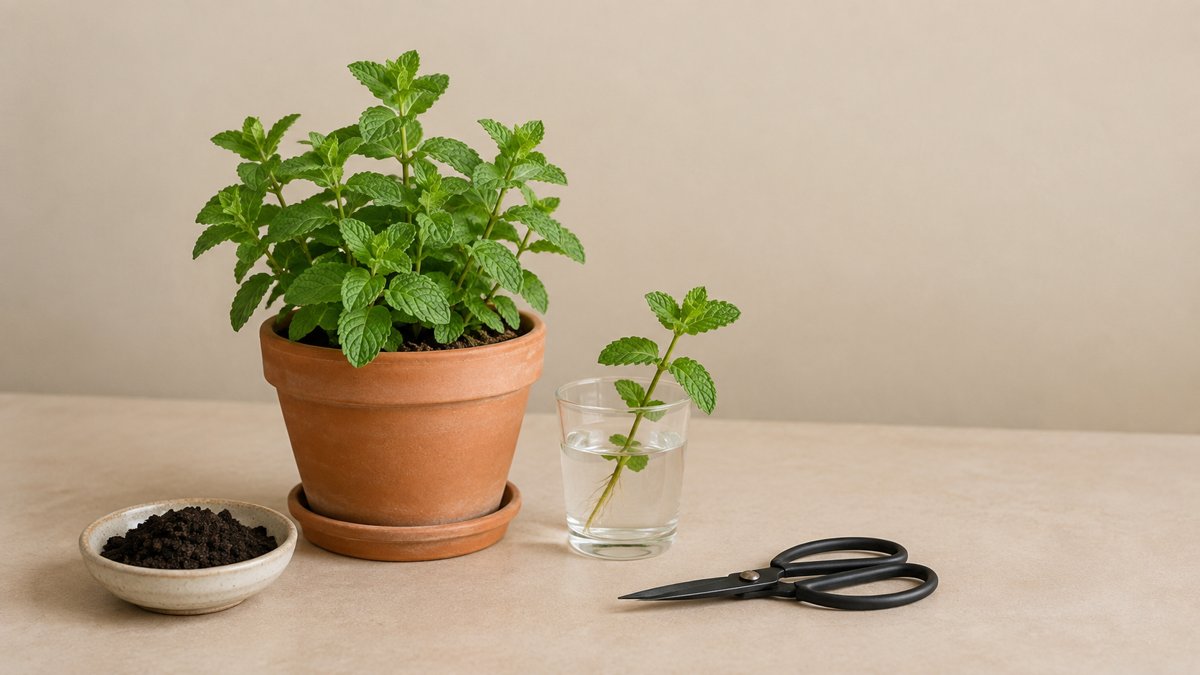
Mint spreads via vigorous underground runners (stolons). For home growers, container planting in wide pots (20 to 30 centimeters diameter) or planter boxes is recommended to prevent it from overtaking garden beds.
- Soil Medium: Use a loose, well-draining mixture composed of 2 parts topsoil, 1 part cocopeat or peat moss, and 1 part aged organic compost or vermicompost.
- Drainage: Ensure pots have multiple bottom drainage holes lined with gravel or mesh. Waterlogged soil quickly suffocates mint roots.
- Soil Biological Activity: Adding mature organic matter activates natural soil enzymes that enhance nutrient uptake and root resilience against soil-borne pathogens [source].
2. Sunlight and Temperature Management
While mint requires sunlight to produce aromatic essential oils (menthol), full unshaded tropical midday heat can scorch tender foliage:
- Place pots where they receive 4 to 6 hours of direct morning sunlight (7:30 AM to 11:30 AM) and indirect light or partial shade in the afternoon.
- On open balconies or exposed terraces, use 30 to 50 percent shade netting to moderate peak afternoon temperatures.
3. Watering Discipline
Mint demands consistent soil moisture without standing in stagnant water:
- Water once daily in the morning, soaking the soil thoroughly until water drains from the base.
- During dry spells or extreme heat waves, a second light evening watering may be necessary if the top 2 centimeters of soil feels dry.
- Avoid wetting dense foliage late in the evening to reduce the incidence of powdery mildew and fungal leaf spots.
4. Pruning, Harvesting, and Pinching
Frequent harvesting is the secret to maintaining a bushy, productive mint plant:
- Pinching Tops: Pinch off the top 2 to 3 leaf nodes regularly. This prevents leggy, woody stems and forces dormant lateral buds to branch out.
- Removing Flowers: Snip off any flower buds immediately. Flowering alters the hormonal balance of the plant, causing leaves to lose their aromatic potency and become bitter.
5. Nutrition and 4R Fertilizer Stewardship
Because mint is grown primarily for its aromatic green leaves, moderate nitrogen and potassium inputs are essential. With chemical fertilizer market costs elevated by over 120 percent [source], container growers achieve excellent results using sustainable organic methods aligned with Department of Agriculture 4R principles (Right Source, Rate, Time, Place) [source]:
- Top-dress pots with a handful of matured compost or worm castings every 3 to 4 weeks.
- Supplement with a diluted seaweed extract or mild balanced organic foliar spray every 14 days.
- Avoid heavy doses of high-nitrogen synthetic fertilizers, which cause rapid, watery growth with diluted aroma and increased pest susceptibility.
6. Managing Pests and Fresh Market Value
Inspect undersides of leaves weekly for aphids, spider mites, and caterpillars. Control minor infestations with neem oil spray or horticultural soap. Freshly harvested daun pudina commands strong retail and wholesale interest in local wet markets and culinary supply channels [source].
| Care Dimension | Recommended Practice | Malaysian Tropical Context | Key Benefit & Purpose |
|---|---|---|---|
| Growing Medium | Topsoil + cocopeat + compost (2:1:1) | High rainfall requires fast-draining potting substrate | Stimulates soil enzymes and prevents root rot [source]. |
| Sunlight Exposure | 4 – 6 hours morning sun; afternoon shade | High UV index during midday scorches soft foliage | Maximizes essential oil synthesis without leaf burning. |
| Watering Regimen | Daily morning watering; check topsoil dryness | High evaporation rates in potted containers | Maintains consistent root moisture without waterlogging. |
| Nutrient Routine | Matured compost + diluted foliar spray | Follow 4R principles to avoid excessive chemical salt buildup | Sustains steady green leaf yield economically [source] [source]. |
| Pruning Discipline | Pinch top growing tips every 7 – 10 days | Tropical heat encourages rapid stem elongation | Produces dense, bushy plants and delays bitter flowering. |
Baca juga: hub baja · harga-daun-pudina-1kg-en · cara-jaga-pokok-daun-pudina-en · pudina
Frequently asked questions
How much sunlight does a mint plant need in Malaysia?
Mint thrives best with 4 to 6 hours of bright morning sunlight or filtered light under shade netting, avoiding harsh midday afternoon heat that scorches tender leaves.
Why do mint leaves turn black and drop off?
Blackening lower stems and leaves are typically caused by overwatering and compacted, poorly draining potting media leading to root rot.
How often should fertilizer be applied to potted mint?
Apply a light organic top-dressing of matured compost or a diluted balanced liquid fertilizer every 2 to 3 weeks following Department of Agriculture 4R nutrient guidelines.