
How to Grow and Care for Okra: Planting, Troubleshooting Stunted Growth & Storage Guide
Decision details
Fits if: Home vegetable growers, kitchen gardeners, and urban container planters seeking reliable edible harvests.
Main drawback: Do not let soil remain waterlogged; excessive moisture causes root asphyxiation, leaf yellowing, and stunted vegetative growth.
Compare: Unfiltered direct sunlight, compost-enriched loose soil, balanced organic fertilization, and timely pod harvesting.
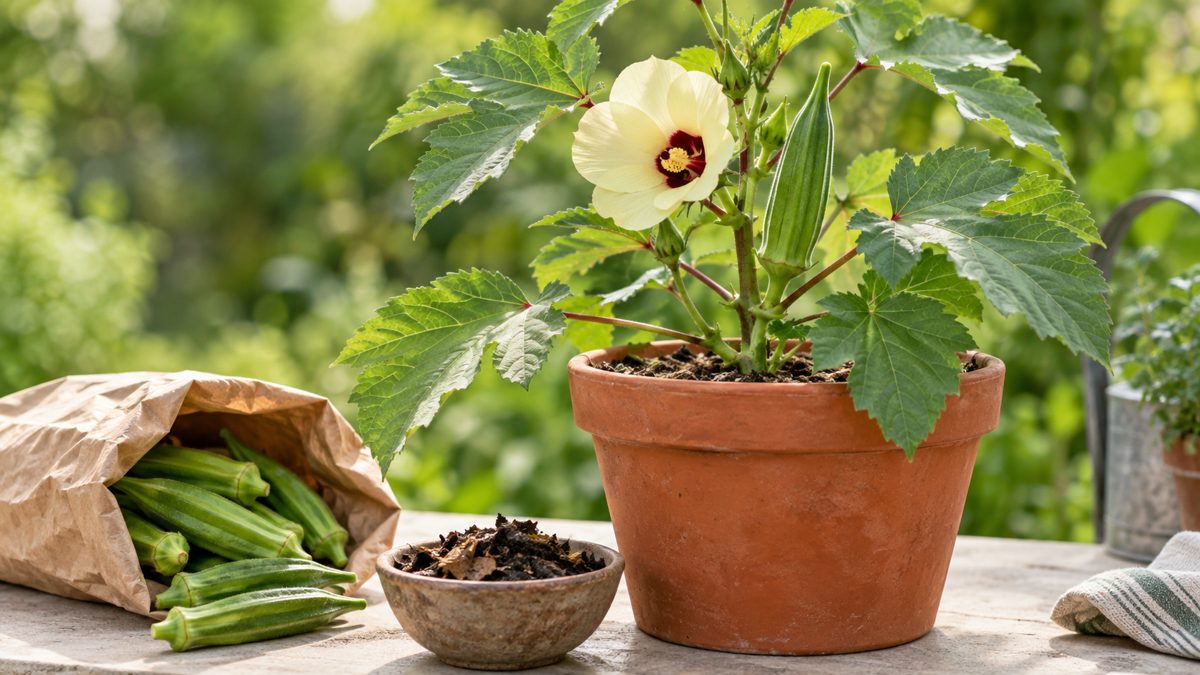
In this guide
How to grow and care for okra in tropical home gardens (how to grow and care for okra)
Okra is a vigorous, sun-loving annual plant that responds exceptionally well to warm Malaysian growing conditions:
- Sunlight Requirements: Okra demands unfiltered direct sunlight throughout the day. Planting under tree shade or building overhangs leads to leggy stems, sparse flowering, and delayed pod set.
- Soil Preparation & Drainage: Okra grows best in porous loamy soil rich in organic matter. Blend coarse sand, compost, and red soil to ensure rapid water percolation and prevent waterlogging around root crowns.
- Fertilizer Protocol: Practice balanced nutrient management following Malaysian Department of Agriculture 4R principles (Right source, Right rate, Right time, Right place)[source]. Incorporate aged organic compost and quality soil amendments sourced via Shopee[source] to support steady root uptake.
- Watering Discipline: Maintain steady soil moisture without creating muddy pools. Container-grown okra requires deep morning watering, especially during hot afternoon dry spells.
Troubleshooting stunted growth and flowering issues (okra plants not growing)
When okra plants stall in growth or fail to set fruit, evaluate the following common cultural and environmental causes:
- Root Restriction in Small Pots: Okra develops a substantial taproot. Using shallow or narrow containers constricts root expansion, causing premature stunting. Use deep pots or planting bags with generous drainage holes.
- Waterlogged and Compacted Substrate: Heavy clay soils suffocate feeder roots and inhibit nutrient absorption. Amend compacted beds with compost and coco peat to raise soil aeration.
- Nutrient Imbalance and Nitrogen Excess: Excessive synthetic nitrogen encourages lush leaf growth at the expense of floral buds. Switch to balanced organic fertilizers that promote natural soil enzyme activity[source] and encourage prolific flowering.
- Pest Pressure: Inspect leaf undersides regularly for aphids, whiteflies, or mealybugs. Spray organic neem oil emulsion during late afternoon hours to manage sap-sucking pests without scorching foliage.
| Development Phase | Soil & Environmental Requirement | Management & Cultivation Action | Expected Harvest / Storage Outcome |
|---|---|---|---|
| Seed Sowing & Sprouting | Warm moist seed-starting mix in full light | Sow directly or transplant carefully to protect taproot | Strong seedlings develop within initial weeks |
| Vegetative Growth | Loose organic loam, high aeration | Side-dress with balanced compost; support soil enzymes[source] | Sturdy central stem with broad lobed leaves |
| Flowering & Pod Setting | Full sun exposure, steady moisture | Monitor for pollinator activity and avoid nitrogen overload | Hibiscus-like blooms form followed by rapid pod elongation |
| Regular Pod Harvesting | Harvest while pods remain tender and snap easily | Cut pod stems cleanly using pruning shears every few days | Continuous fruit production over several months |
| Post-Harvest Storage | Chilled dry environment inside crisper | Store dry unwashed pods in paper bags; freeze sliced rings | Preserves crisp texture for fresh culinary preparation |
How to store okra once picked for maximum kitchen freshness (how to store okra once picked)
Okra pods are delicate and prone to moisture loss or slimy deterioration if stored improperly:
- Harvest Timing: Pick pods when they are tender and pliable, typically a few days after pollination. Overly mature pods become fibrous, woody, and unpalatable.
- Dry Handling: Never wash okra before storing. Surface moisture accelerates mold formation and softens the pod skin.
- Short-Term Refrigeration: Place dry pods in a breathable paper bag or wrap loosely in dry paper towels before storing in the vegetable crisper drawer. This method preserves freshness and crunch for up to a week.
- Freezing for Long-Term Use: For extended culinary storage, wash and dry pods thoroughly, trim the stem caps without exposing the seed cavity, blanch in boiling water briefly, plunge into ice water, slice into rings, and freeze in sealed airtight freezer bags.
Baca juga: hub baja · tanaman-dalam-pasu · campuran-tanah-untuk-tanaman
Frequently asked questions
What are the essential growing conditions for okra in Malaysia?
Okra requires full direct tropical sunlight, loose organic loam soil with excellent drainage, and consistent daily watering during dry spells.
Why are my okra plants not growing or producing flowers?
Stunted growth usually stems from insufficient sunlight, waterlogged compacted soil, nutrient deficiencies, or potting containers that restrict root expansion.
How often should okra pods be harvested?
Harvest young pods every few days when they reach tender length; allowing old pods to mature on the plant halts new flower production.
What is the best way to store freshly picked okra?
Keep dry unwashed pods inside a paper bag or perforated container in the vegetable crisper section of the refrigerator.