
Harum Manis Mango Price & Growing Guide: Market Grades, Disease Control & Fertilizer
Decision details
Fits if: Commercial mango orchard operators, agro-tourism farms, and seasonal fruit retailers planning input costs and crop nutrition.
Main drawback: Control anthracnose and fruit fly infestations early from fruit set to prevent premium grade fruit from falling to processing grade.
Compare: Fruit weight exceeding 350g for top grades, spotless peel without sap burn, and balanced potassium-calcium feeding during fruit sizing.
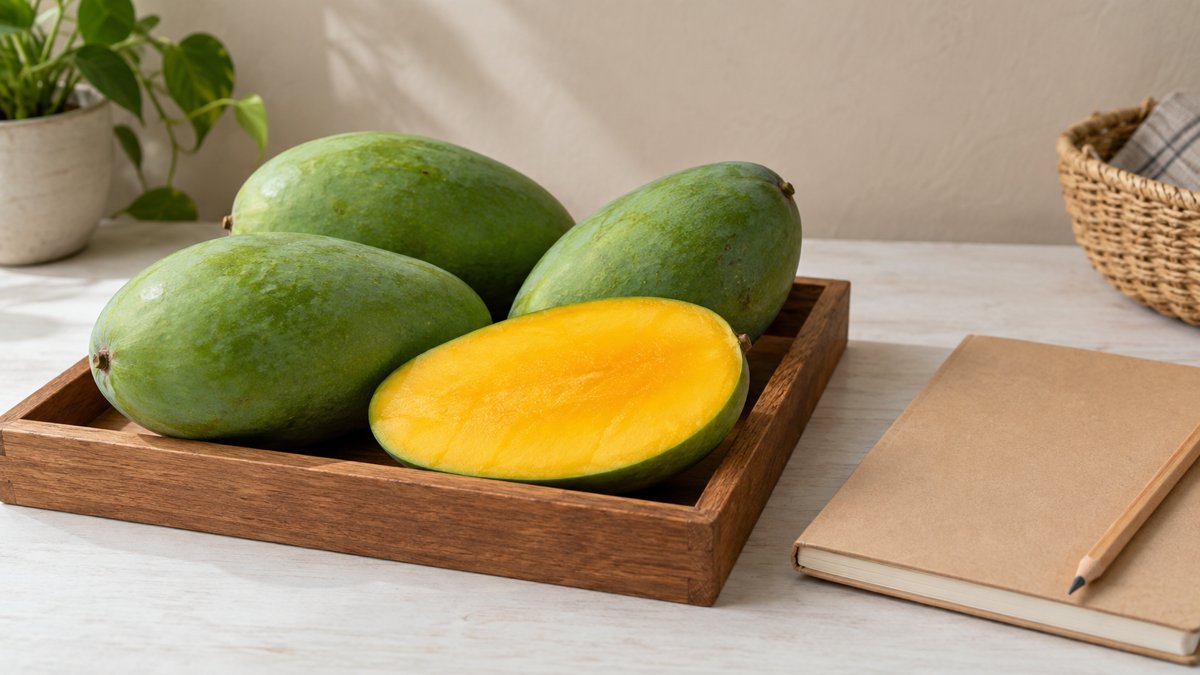
In this guide
What factors determine Harum Manis mango prices in the Malaysian market?
The commercial value of Harum Manis mangoes (Mangifera indica cultivar) across Malaysian farm-gate and retail channels depends on strict quality benchmarks:
- Fruit Weight and Size Grading: Super Grade and Grade A fruits weighing over 350g to 450g command the highest price per kilogram due to their thick pulp and small seed ratio.
- Brix Sweetness and Aroma: Fully matured Harum Manis typically registers between 16 and 20 degrees brix, delivering its signature rich floral fragrance.
- Peel Cleanliness and Aesthetics: Unblemished skins free from anthracnose spots, sooty mold, or sap burn secure direct retail and gift-box premiums.
- Seasonal Window: The concentrated harvest period from April to June creates a sharp seasonal supply peak where early and peak-season harvests attract strong buyer competition.
How do Harum Manis mango quality grades compare?
The following table summarizes standard commercial grading classifications and market destinations for Harum Manis in Malaysia:
| Grade Category | Average Weight per Fruit | Physical Appearance & Pulp Quality | Target Market Channel |
|---|---|---|---|
| Super / VIP Grade | 400g - 500g+ | Flawless skin, thick aromatic golden flesh, high brix sweetness | Corporate gift boxes & premium export |
| Grade A | 350g - 399g | Well-shaped, minimal cosmetic blemishes, uniform ripeness | Supermarkets & premium online retail |
| Grade B | 280g - 349g | Medium fruit size, minor surface friction marks from foliage | Local wet markets & roadside fruit stalls |
| Processing Grade | Under 280g | Smaller or irregularly shaped, sound sweet pulp | Juice, puree, ice cream & dessert makers |
What are common mango diseases and orchard protection methods?
Harum Manis trees are vulnerable to fungal pathogens and insect vectors that can downgrade fruit quality if unmanaged:
- Anthracnose (Colletotrichum gloeosporioides): Causes sunken dark spots on young leaves, flowers, and fruit. Management relies on post-harvest canopy pruning to improve airflow and immediate removal of fallen plant debris.
- Sooty Mold (Capnodium spp.): Develops on honeydew secreted by scale insects and mealybugs. Controlling sap-sucking insect populations prevents black coating on leaves and fruit.
- Stem-End Rot (Lasiodiplodia theobromae): Infects ripe fruits during storage. Harvesting with short stem pedicels intact and properly drying fruit sap reduces post-harvest losses.
- Oriental Fruit Fly (Bactrocera dorsalis): Larvae burrow into maturing fruit pulp. Bagging individual fruits with double-layered water-resistant paper bags when fruits reach chicken-egg size provides physical protection.
What is the recommended fertilizer schedule for Harum Manis mango trees?
Optimizing mango yield requires synchronizing nutrient applications with vegetative flushing, dry-weather stress, flowering, and fruit expansion:
- Follow the 4R nutrient stewardship principles endorsed by the Department of Agriculture Malaysia (DOA): applying the right source at the right rate, right time, and right place [source].
- Apply balanced NPK compound fertilizers alongside organic compost post-harvest to encourage vigorous new canopy flushes.
- Organic soil amendments stimulate rhizosphere enzyme activity, including urease and phosphatase, which enhances mineral nutrient availability in orchard soils [source].
- During flower emergence and fruit development, transition to high-potassium formulations such as
12:12:17+2MgOcomplemented by foliar calcium-boron to strengthen cell walls and prevent fruit cracking.
How can orchard growers manage fertilizer costs amid price increases?
With commercial chemical fertilizer prices having experienced sharp increases exceeding 120% in 2026 [source], orchard managers must optimize nutrient efficiency.
Growers can source verified water-soluble compound fertilizers, humic acid, and protective bagging materials through online platforms such as Shopee [source]. Combining well-composted farm manure with targeted mineral band placement reduces overall input expenditure while maintaining top-grade fruit yield.
Baca juga: hub baja · baja-khas-mangga-en · manggala-baja-perkasa-en
Frequently asked questions
When is the peak harvesting season for Harum Manis mangoes in Malaysia?
The main season typically spans April to June each year, following the northern dry spell induction in Perlis and northern Kedah.
What fertilizer formula is best for mango flowering and fruit set?
Higher potassium and phosphorus formulas like 12:12:17+2MgO combined with organic compost help stimulate uniform flowering after dry weather stress.
How can orchard growers prevent anthracnose on Harum Manis fruit?
Prune canopy branches to improve air circulation, bag young fruits using specialized protective paper bags, and practice strict orchard sanitation.