
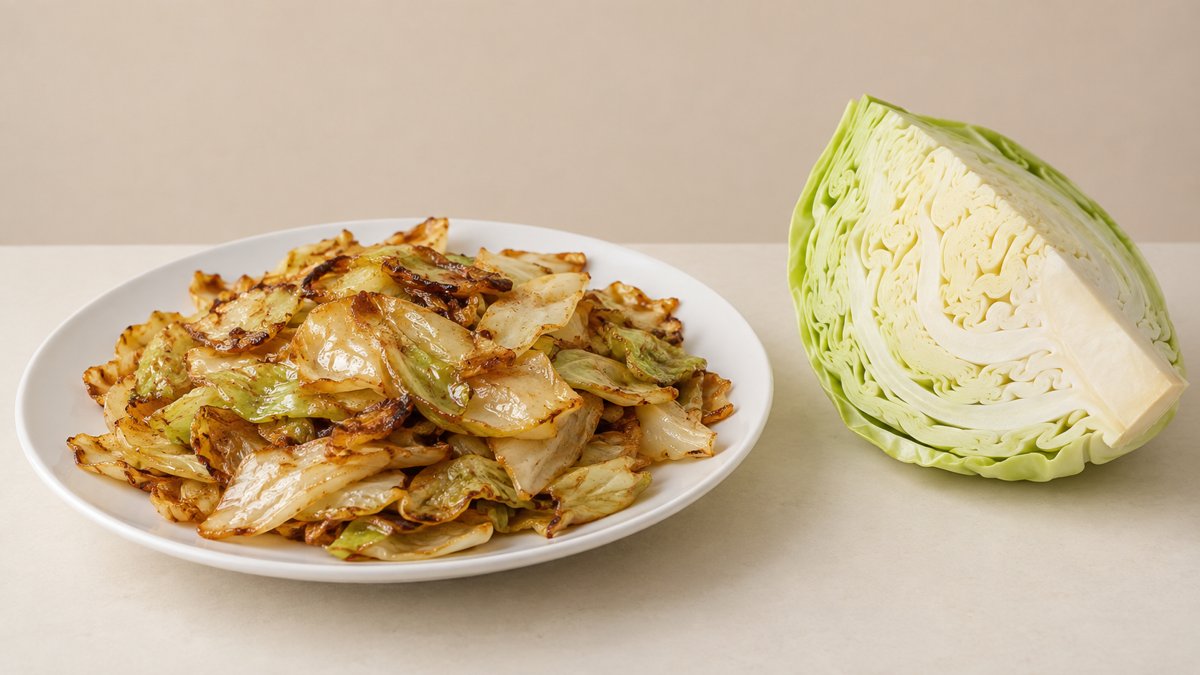
Why Fried Cabbage Is Harmful: High-Heat Cooking Risks, Acrylamide & Safe Preparation
Decision details
Fits if: Consumers evaluating restaurant dietary habits, home cooks preparing Brassica vegetables, and vegetable growers understanding consumer quality concerns.
Main drawback: Reusing cooking oil multiple times to deep-fry leafy greens accelerates the accumulation of free radicals and polar compounds.
Compare: Cooking temperature, oil absorption rate, oil reuse frequency, and pre-cooking washing protocols.
In this guide
Why Is Fried Cabbage (Kenapa Kobis Goreng Bahaya) a Health Concern?
The widespread popularity of deep-fried crispy cabbage has raised nutritional and health concerns across Malaysian households and food service settings. The key health risks associated with regular consumption of deep-fried cabbage include:
- Extreme Oil Absorption Rate: Unlike dense root vegetables, cabbage leaves possess a wide surface area with high moisture content. When plunged into hot frying oil, moisture evaporates instantly, creating porous micro-cavities that absorb massive volumes of cooking oil. A serving of deep-fried cabbage can contain significantly more calories and fat than the raw vegetable itself.
- Thermal Oxidation and Reused Oil Hazards: In commercial food stalls, frying oil is frequently reused across multiple cooking shifts at elevated temperatures. Repeatedly heated vegetable oils undergo thermal oxidation, generating polar compounds, peroxides, and free radicals that contribute to cardiovascular strain and systemic inflammation.
- Destruction of Beneficial Phytochemicals: Cabbage is naturally rich in glucosinolates, sulforaphane precursors, and heat-labile vitamin C. Sustained deep-frying destroys these delicate antioxidant compounds, stripping away the vegetable’s natural protective health benefits.
What Chemical Changes Occur When Cabbage Is Fried at High Temperatures?
When brassica vegetables are exposed to temperatures exceeding high frying thresholds, several chemical transformations take place:
- Lipid Peroxidation: Unsaturated fatty acids in cooking oil break down into volatile aldehydes and lipid hydroperoxides when subjected to high heat in the presence of air and food moisture.
- Charring and Acrylamide Formation: Prolonged contact with scorching oil leads to localized leaf edge scorching and carbonization. When natural amino acids react with reducing sugars under high dry heat (the Maillard reaction), acrylamide and advanced glycation end-products (AGEs) can form.
- Volatilization of Essential Moisture: The rapid boiling off of leaf cellular water alters the cellular matrix, leaving behind oil-logged fibrous tissue that places unnecessary digestive load on the gastrointestinal tract.
Nutritional and Safety Comparison of Cabbage Cooking Methods
The following comparison details how different culinary techniques impact the nutritional integrity and safety profile of fresh cabbage:
| Preparation Method | Fat & Caloric Density | Antioxidant Retention | Chemical Risk Profile | Recommended Use & Best Practice |
|---|---|---|---|---|
| Deep-Frying (Kobis Goreng) | Extremely high fat absorption | Low (severe thermal destruction) | High oxidized lipid and polar compound formation | Occasional treat only; avoid dishes made with dark reused oil |
| Light Stir-Frying (Tumis Sayur) | Low to moderate fat | Moderate to high retention | Minimal when using fresh cooking oil | Recommended daily preparation; flash-fry with minimal oil and garlic |
| Steaming / Quick Blanching | Zero added fat | Very high vitamin & fibre preservation | Negligible thermal degradation | Ideal for salads (ulam), soups, and health-focused dietary plans |
| Fermentation (Sauerkraut / Kimchi) | Zero added fat | High (plus beneficial probiotics) | Negligible; preserves organic acids | Excellent for digestive health and long-term vegetable preservation |
Proper Washing and Preparation Protocols for Fresh Cabbage
Ensuring safety when cooking cabbage begins at the cleaning stage before cooking heat is applied:
- Discard Outer Wrapper Leaves: Strip away the outer 2 to 3 loose protective leaves. These outer leaves absorb the highest exposure to environmental dust, handling contact, and agricultural spray residues during transport.
- Submerge and Rinse: Cut the cabbage head into quarters and soak the leaves in cold water, swishing gently to dislodge any trapped soil or grit between the inner layers.
- Dry Thoroughly Before Cooking: Drain excess moisture in a colander or salad spinner. Removing surface water prevents violent splattering and reduces premature oil degradation during stir-frying.
Managing Cabbage Crop Nutrition and Farm Inputs with 4R Principles
For commercial vegetable growers and smallholders cultivating Brassica oleracea, producing clean, high-grade cabbage heads requires strict adherence to agronomic best practices. Amid broader market inflation affecting agricultural inputs [source], disciplined farm management is essential:
- Adherence to 4R Principles: As outlined by the Department of Agriculture Malaysia (DOA), applying excess fertilizer does not translate to higher marketable yields or better leaf density [source]. Implementing the 4R nutrient framework—Right Source, Right Rate, Right Time, and Right Place—ensures balanced vegetative growth during the heading stage while preventing nitrate accumulation in edible leaves.
- Enhancing Soil Biological Activity: Maintaining soil organic matter encourages beneficial microbial and soil enzyme mechanisms [source], ensuring healthy root development and efficient nutrient uptake across Highland and Lowland cabbage cultivars.
- Integrated Pest Management (IPM): Employing physical insect netting and monitoring pest thresholds reduces dependency on chemical interventions, safeguarding harvest quality for consumers.
Baca juga: hub baja · harga-kobis-en · harga-kobis-bulat-sekilo-en
Frequently asked questions
Why is deep-fried cabbage (kobis goreng) bad for health?
Deep-frying cabbage at extreme temperatures causes its delicate layered leaves to soak up large quantities of cooking oil while destroying heat-sensitive glucosinolates and forming oxidized lipid by-products.
Does raw cabbage contain harmful pesticide residues?
Commercial cabbage heads can retain surface agricultural residues on outer wrapper leaves, which is why discarding the outermost 2-3 leaves and thoroughly rinsing separated leaves under clean running water is strongly recommended.
What is the healthiest way to cook cabbage in Malaysian cooking?
Light stir-frying with minimal oil, quick blanching, or gentle steaming preserves beneficial dietary fibre and vitamin C without excessive caloric density.