
Vegetable Garden Food Chains, Highland Terraced Farming & Organic Fertilizer Guide
Decision details
Fits if: Home vegetable growers, community gardeners, and agro-ecology students exploring sustainable food production in Malaysia.
Main drawback: Over-reliance on synthetic sprays disrupts beneficial predator insects and halts natural soil enzyme mineralization.
Compare: Biological diversity, soil organic matter percentage, adherence to DOA 4R fertilisation guidelines, and reference to FAMA daily price benchmarks.
In this guide
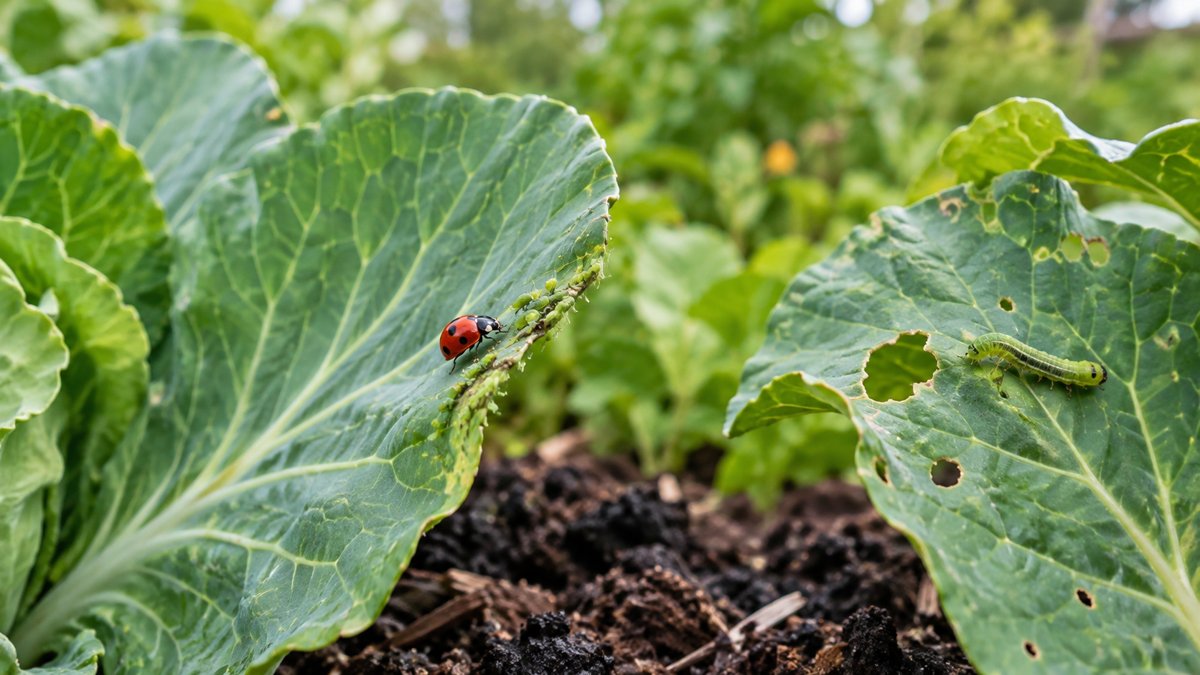
contoh rantai makanan di kebun sayur
A healthy vegetable plot functions as a miniature ecosystem where energy flows across structured trophic levels:
- Producers (Tanaman Sayur): Leafy greens (such as sawi, kangkung, and bayam), brassicas, and herbs convert sunlight and soil nutrients into edible plant biomass through photosynthesis.
- Primary Consumers (Herbivor / Perosak Tanaman): Herbivorous insects like caterpillars, grasshoppers, leafminers, and aphids feed on tender foliage and sap.
- Secondary & Tertiary Consumers (Pemangsa Semula Jadi): Beneficial predators—including ladybird beetles, praying mantises, spiders, predatory wasps, and insectivorous birds—hunt plant pests, maintaining biological balance without toxic chemicals.
- Decomposers & Soil Microorganisms (Pengurai): Earthworms, mycorrhizal fungi, and beneficial bacteria decompose fallen leaves and organic matter, recycling nutrients into plant-absorbable forms.
| Ecosystem Role / Domain | Key Biological Components | Function in Vegetable Garden | Agronomic Practice / Reference |
|---|---|---|---|
| Producers & Nutrition | Leafy Greens (Sawi, Bayam, Kangkung) | Photosynthetic biomass generation | DOA 4R nutrient rate discipline [source] |
| Decomposers & Soil Health | Compost, Humus, Soil Microbes | Organic matter breakdown & nutrient cycling | Elevate soil enzyme activity [source] |
| Market Price Discovery | Fresh Produce Wholesale Benchmarks | Provides transparent commodity valuations | FAMA daily price guide (e.g. Sawi RM5.39/kg) [source] |
kebun sayur sukomakmur
The terraced farming model exemplified by famous highland destinations like Kebun Sayur Sukomakmur offers practical lessons for Malaysian vegetable growers:
- Contour Bed Structure: Stepped terraced beds prevent soil erosion during heavy rains while maximizing root aeration and sunlight capture.
- Deep Organic Conditioning: Highland soils maintain exceptional tilth through continuous incorporation of animal manure and crop residues, preventing compaction.
- High-Density Companion Planting: Intercropping scallions, cabbage, and leafy greens confuses pest insects and optimizes spatial bed efficiency.
- Rainfall Runoff Management: Well-engineered drainage channels between beds prevent waterlogging and root asphyxiation during wet monsoon periods.
organic fertilizer for vegetable garden
Using organic fertilizers in home and commercial vegetable gardens builds resilient soil biology and produces nutrient-dense greens:
- Compost & Vermicompost: Provides balanced macro- and micronutrients while introducing billions of beneficial microbes. Organic matter significantly raises soil enzyme activity (cellulase, protease, urease, and dehydrogenase), transforming complex organic compounds into bioavailable plant nutrition [source].
- Well-Composted Chicken & Goat Manure: Delivers sustained nitrogen and phosphorus for fast vegetative leaf development in leafy crops like sawi, kailan, and pak choy.
- Liquid Organic Fertilisers (Fish Amino Acids & Seaweed Extract): Serves as a gentle foliar tonic and root drench to accelerate recovery from heat stress.
- 4R Rate Compliance: Applying organic fertilizer must still respect Department of Agriculture guidelines: excessive organic inputs can cause nitrogen leaching or root heat damage if not fully composted [source].
Baca juga: hub baja · kebun-sayur-sukomakmur · cell-zh-84
Frequently asked questions
What is an example of a food chain in a vegetable garden?
A typical garden food chain starts with vegetable crops (producers) consumed by caterpillars or aphids (primary consumers), which are preyed upon by ladybirds or birds (secondary consumers), and broken down by soil microbes (decomposers).
What farming techniques can urban gardeners learn from highland vegetable terraces?
Highland terraced farms excel at contour drainage, organic compost bed structuring, and crop rotation to sustain loose soil aeration and continuous harvests.
What is the primary benefit of using organic fertilizer on leafy greens?
Organic fertilizer enriches the soil microbiome and elevates soil enzyme activity (protease, urease, cellulase), facilitating steady nutrient absorption without chemical salt buildup.