
How to Harvest, Store & Preserve Fresh Chillies: Seed Saving & Leaf Curl Solutions
Decision details
Fits if: Ideal for Malaysian home gardeners, allotment growers, and kitchen cooks handling bird's eye chilli (cili padi) and hot red chillies (cili kulai/merah).
Main drawback: Do not pull chillies downward by force when harvesting, as this strips branch bark and creates entry wounds for fungal dieback.
Compare: Pod ripeness index, moisture absorption during refrigeration, and 4R nutrient application balance.
In this guide
Proper harvesting technique prevents branch tearing, moisture-controlled storage extends freshness for weeks, and organic soil amendments stimulate soil enzymes to keep plants vigorous against stress.
How to harvest chilli seeds
Saving seeds from high-performing chilli plants allows growers to preserve vigorous, productive genetics for future planting cycles. Follow these steps for maximum seed viability:
- Select Fully Ripe Mother Pods: Choose large, pest-free chillies that have turned completely red or orange on the plant. Seeds inside green or half-ripe pods are physiologically immature and have low germination rates.
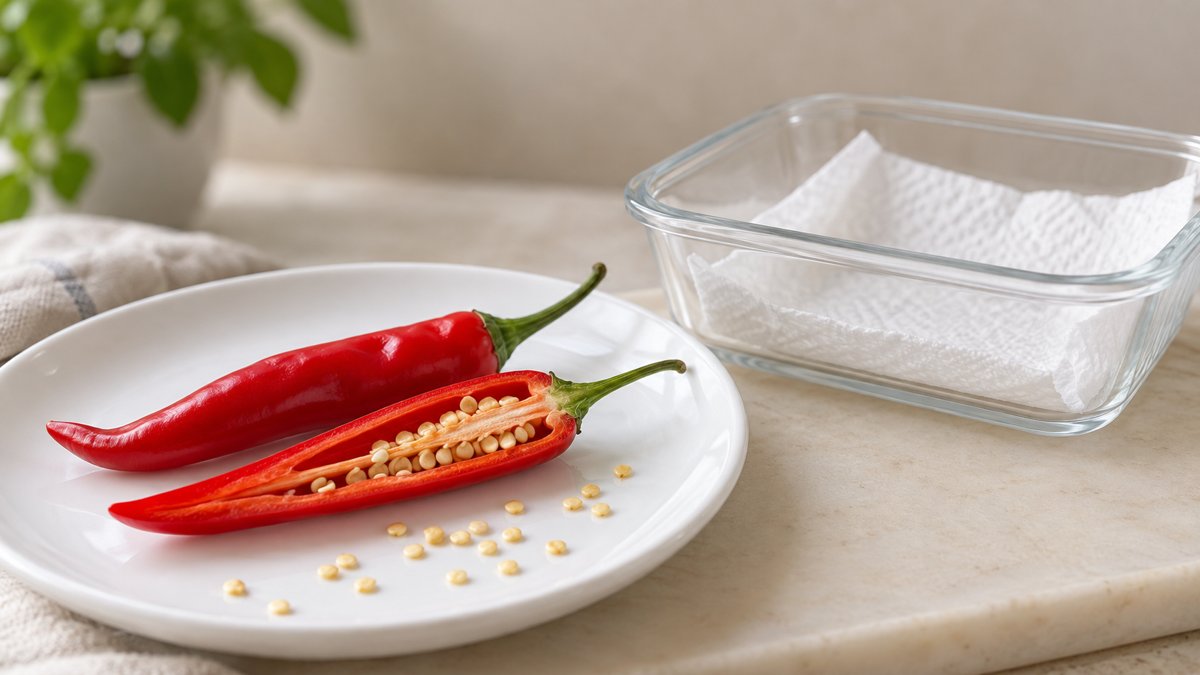
- Extract Seeds Carefully: Wearing protective gloves, slice the pods open lengthwise and gently scrape the seeds onto a clean porcelain plate or parchment paper. Discard small, flat, or discolored seeds.
- Shade Drying: Spread the seeds in a single layer in a warm, well-ventilated area away from direct sunlight. Direct tropical sun can overheat and kill the seed embryo. Allow them to dry until a sample seed breaks crisply rather than bending.
- Airtight Storage: Seal dried seeds in paper seed envelopes, place them inside an airtight jar with a small food-grade desiccant pack, and store in a cool, dark drawer.
How to pick chillies from a plant
Improper picking technique often tears the outer bark of fruiting nodes, stunting future flushes and allowing fungal spores to enter the plant vascular system.
- The Upward Snap Technique: Hold the main fruiting branch with one hand. With the other hand, grip the chilli stem (pedicel) near the node and bend it sharply upward. Mature chillies have a natural abscission layer that separates cleanly with a slight pop.
- Using Clean Shears: If the pedicel is tough, snip the stem with clean floral snips or sharp pruning shears, leaving a small stem stub attached to the fruit.
- Harvest Frequency: Pick ripe chillies regularly to stimulate continuous flowering; leaving heavy loads of ripe fruit on the branch slows down new floral bud development.
| Chilli Handling Stage | Standard Procedure | Key Risk to Avoid | Agronomic / Storage Impact |
|---|---|---|---|
| Seed Harvesting | Extract from fully ripe red fruit; dry in shade | Direct blazing sun drying | Protects internal seed embryo viability |
| Plant Picking | Snap upward at natural node or snip with shears | Pulling downward by brute force | Prevents branch stripping and fungal dieback |
| Short-Term Storage | Destem, dry completely, pack with paper towels | Sealing wet pods in airtight plastic | Eliminates condensation and soft rot |
| Long-Term Freezing | Flash-freeze whole on tray; bag in airtight zip pouches | Slow freezing in wet clumps | Retains capsaicin pungency and crisp texture |
| Oil & Vinegar Pickle | Submerge dry salted chillies in vinegar or cooked oil | Water droplets in storage oil | Maintains safe shelf life and condiment flavor |
How to preserve chillies for long time
When harvests exceed weekly kitchen consumption, preserving chillies prevents waste while retaining culinary heat:
- Freezing Whole: The most effective method for everyday cooking. Remove green stems, dry pods thoroughly, and arrange in a single layer on a tray in the freezer. Once frozen solid, transfer to freezer bags. Frozen chillies slice easily without thawing.
- Dehydrating & Sun-Drying: Cut chillies in half and dry in a dedicated food dehydrator or under a screened sun cover until brittle. Grind into chili flakes or store whole in airtight jars.
- Pickling in Vinegar (Cili Jeruk): Slice chillies, toss with salt to draw excess moisture, drain, and submerge in boiled vinegar with sugar. Keeps crisp in the refrigerator for months.
- Chilli Oil Infusion: Fry dried chillies gently in vegetable oil with aromatics to create shelf-stable condiment oil.
How to store chilli peppers
For everyday kitchen storage, the secret to longevity is keeping external humidity away from the chilli skin:
- Stem Removal: The green calyx stem holds residual field moisture and is the first part to decay. Gently pop off the green caps before storing.
- The Paper Cushion Method: Line a glass or food-grade plastic container with two layers of dry paper towels. Arrange chillies loosely and cover with another paper towel before snapping the lid shut.
- Periodic Inspection: Check weekly and replace the paper towel if it feels damp. Remove any individual pepper showing signs of softening to prevent spoilage from spreading.
How to store fresh chillies
Freshly bought or picked chillies should never be stored in the thin plastic bags from the market. Moisture transpiring from the peppers becomes trapped inside the bag, creating a humid greenhouse environment that fosters anthracnose and bacterial soft rot within days.
If keeping chillies at room temperature, place them in a wide, open woven basket in a well-ventilated pantry out of direct sunlight. Under room conditions, use them within several days.
Why are my chilli plant leaves curling
Leaf curl on chilli plants is a common distress signal triggered by insect pests, environmental heat, or root imbalances:
- Sap-Sucking Pests (Thrips and Mites): Upward curling into a boat-like shape usually indicates thrips feeding on leaf margins. Downward cupping and thickening often point to broad mites. Treat with organic neem oil or horticultural soap sprays directed under the foliage.
- Moisture and Heat Stress: In intense midday tropical heat, leaves curl inward to reduce transpirational water loss. Ensure consistent watering during early mornings.
- Soil Nutrition & Microbial Health: Nutrient imbalances or root compaction restrict root uptake. Department of Agriculture Malaysia (DOA) 4R nutrient stewardship (Right Source, Right Rate, Right Time, Right Place) ensures plants receive balanced fertilization without excessive chemical salt burn [source]. Adding mature compost enhances soil enzyme activity—including cellulase and urease—which supports healthy root zone biological vigor [source].
Baca juga: hub baja · penyakit-cili-bara · cili-fertigasi
Frequently asked questions
How do you harvest viable seeds from homegrown chillies?
Pick fully mature, deep-red pods from healthy mother plants, scrape out the plump seeds wearing gloves, and dry them on paper in a shaded spot before sealing in an airtight envelope.
What is the best way to keep fresh chillies crisp for weeks?
Remove the green calyx stems, dry the chillies completely, line a glass or plastic container with clean paper towels to absorb sweat, and refrigerate.
Why are my chilli plant leaves curling upwards?
Upward leaf curling is commonly caused by sap-sucking pests like thrips or broad mites on young shoots, or severe transpiration stress during hot, dry spells.
Can fresh chillies be frozen without losing their heat?
Yes, frozen chillies retain full capsaicin heat and flavor; flash-freeze destemmed whole pods on a tray before transferring them to sealed freezer bags.