
How to Grow Basil in Malaysia: Seeds, Seedling Care, Troubleshooting & Storage Guide
Decision details
Fits if: Home gardeners, balcony herb growers, and culinary enthusiasts cultivating sweet basil or local kemangi.
Main drawback: High ambient humidity combined with waterlogged potting mix is the single biggest cause of sudden basil plant collapse.
Compare: Pot drainage aeration, organic matter soil enzyme activation, and disciplined 4R fertiliser application.
In this guide
basil seed in malay
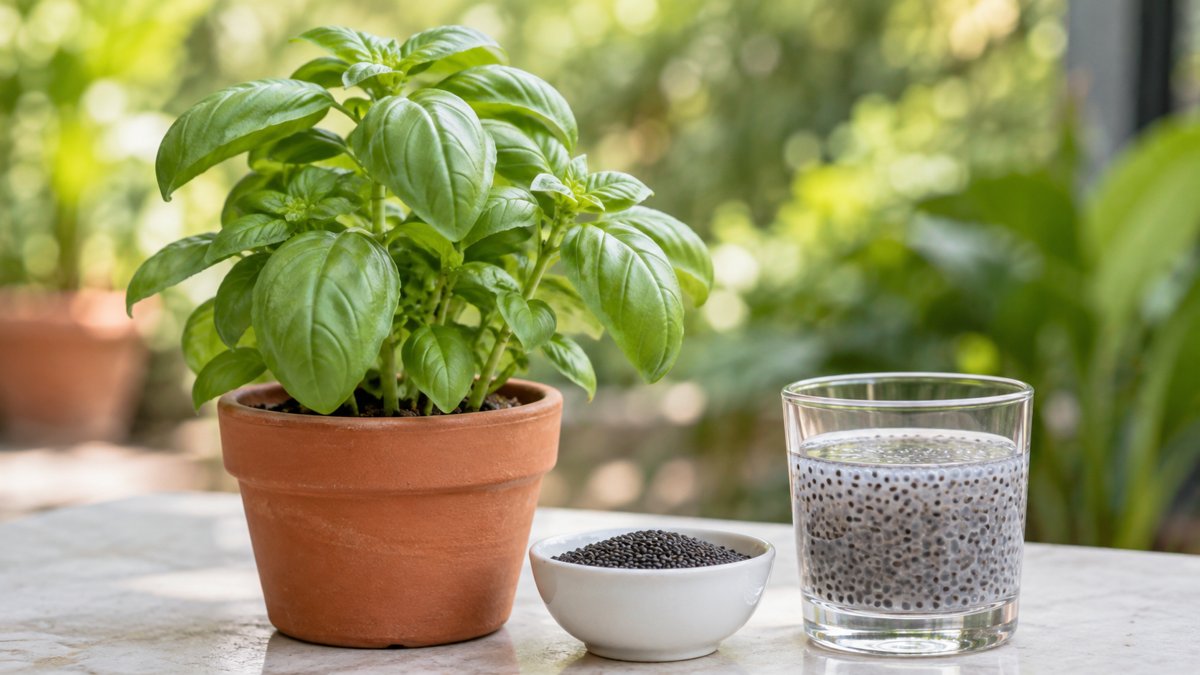
The direct Malay translation and culinary equivalent for basil seed is biji selasih:
- Botanical Origin: Sourced primarily from sweet basil (Ocimum basilicum), these small black teardrop-shaped seeds are distinct from chia seeds (biji chia), though both form a gelatinous mucilage sheath when soaked in water.
- Culinary Use in Malaysia: Biji selasih is a classic ingredient in traditional Malaysian drinks like air sirap selasih, ais kacang, and herbal cooling tonics due to its refreshing texture and fiber content.
- Propagation from Seed: Sowing biji selasih requires shallow placement in a moist seed-starting mix. Seeds germinate readily within 3 to 7 days under warm, humid Malaysian conditions before being thinned out into individual pots.
| Basil Variety / Seed Type | Local Name (Malay) | Key Aroma & Culinary Profile | Primary Growing Requirement |
|---|---|---|---|
| Sweet Basil (Ocimum basilicum) | Pokok Selasih / Biji Selasih | Sweet, aromatic, anise-like; pesto, pasta, cooling beverages | Morning direct sun, rich compost-amended potting mix [source] |
| Thai Basil / Lemon Basil | Pokok Kemangi / Selasih Siam | Spicy, peppery, citrus aroma; curries, ulam, soups | Heat tolerant, fast-draining gritty loam, regular tip-pruning |
| Holy Basil (Ocimum tenuiflorum) | Pokok Tulsi / Ruku-ruku | Clove-like, medicinal, pungent; stir-fries, herbal infusions | Full tropical sun, moderate fertility adhering to 4R guidelines [source] |
what’s wrong with my basil plant
When a potted basil plant displays distress under Malaysian climate conditions, check these common diagnostic symptoms:
- Yellowing Lower Leaves: Typically caused by waterlogged soil and root oxygen starvation. Ensure containers have functional bottom drainage holes and avoid leaving pots sitting in water trays.
- Brown or Black Leaf Spots: Fungal leaf spot (Cercospora or downy mildew) thrives in high tropical humidity. Water exclusively at the soil base in the morning and avoid wetting foliage.
- Leggy, Pale Stems: Indicates insufficient sunlight. Move the plant to a spot receiving direct morning sun or bright filtered light.
- Aphids and Whiteflies: Small sap-sucking pests congregate under young leaves. Rinse gently with water or apply a diluted neem oil solution during late evening hours.
why did my basil plant die
Sudden basil plant death is almost always traceable to one of three environmental triggers in tropical home gardens:
- Fusarium Wilt & Root Rot (Pythium/Rhizoctonia): Heavy garden clay soils without drainage cause root tissue to decay rapidly. The plant wilts suddenly while the soil is still soaking wet. Use a porous mix containing cocopeat, perlite, and organic compost to stimulate natural soil enzyme defense [source].
- Transplant Shock & Root Disturbance: Moving delicate nursery seedlings into direct scorching afternoon sun without a 3-day hardening-off period in light shade causes rapid vascular collapse.
- Bolting and Plant Senescence: When basil flowers, hormone production shifts from vegetative leaf growth to seed creation, leading to woody stems and natural dieback. Regularly pinch off flowering spikes to prolong the plant’s productive lifespan.
- Fertiliser Overdose: Chemical salt accumulation scorches tender feeder roots. Department of Agriculture guidelines emphasize that applying excess fertiliser does not improve plant vitality; applying the right source at the right rate is essential [source].
Baca juga: hub baja · why-does-my-basil-keep-dying-en · whats-wrong-with-my-basil-plant
Frequently asked questions
What is the Malay term for basil seed?
Basil seeds are widely known as 'biji selasih' in Malay, typically sourced from sweet basil (Ocimum basilicum) and prized for expanding into a cooling gelatinous texture in beverages.
Why are my basil leaves turning yellow and wilting?
Yellowing and wilting usually indicate overwatering and poor drainage leading to early root rot, or severe nutrient leaching from frequent tropical downpours.
How can I make harvested basil leaves last longer in the kitchen?
Store fresh basil stems upright like cut flowers in a jar of water at room temperature rather than refrigerating, as cold refrigerator temperatures cause leaves to blacken.