
Are Bananas Dying Out? Tropical Banana Wilt, Ripening Science & Storage Guide
Decision details
Fits if: Home gardeners, smallholders, and tropical fruit consumers in Malaysia managing banana crops or household fruit storage.
Main drawback: Fusarium wilt survives in soil for decades without chemical cure; strict quarantine, disease-free suckers, and resistant local cultivars are essential.
Compare: Fusarium TR4 identification, soil enzyme health via organic compost, ethylene gas management, and hanging airflow storage.
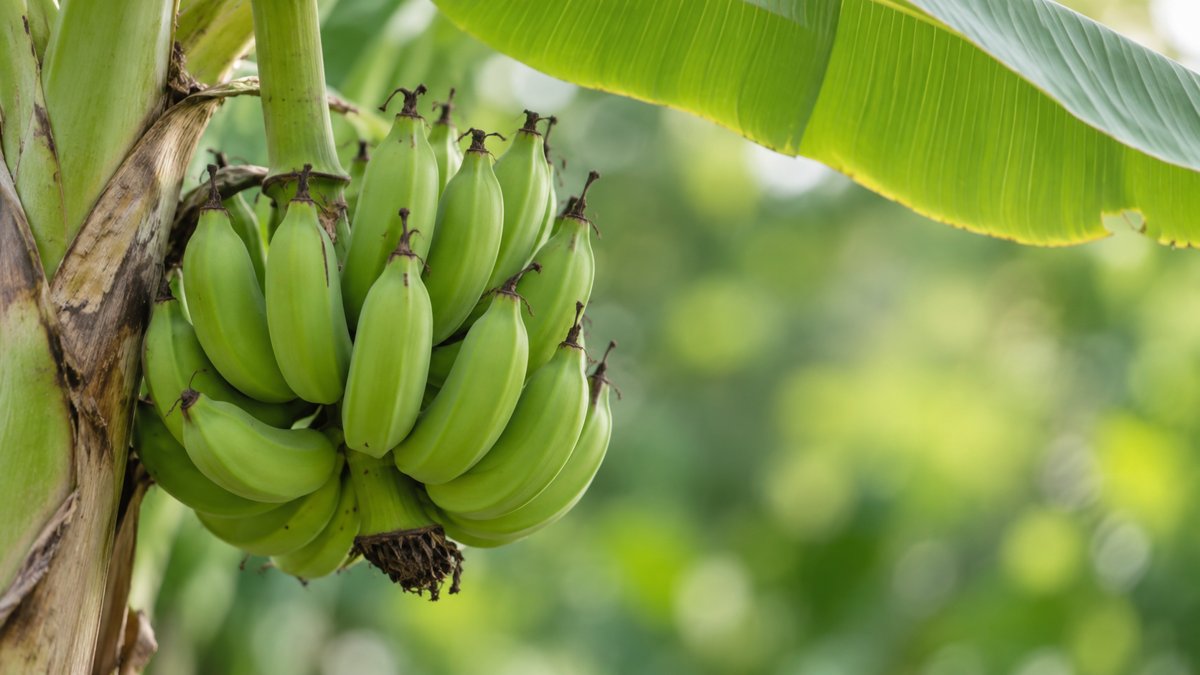
are bananas dying out
The threat of bananas disappearing stems from agricultural history and extreme genetic uniformity in global supply chains:
- The Cavendish Vulnerability: Over ninety-nine percent of commercial supermarket bananas belong to a single clone, the Cavendish. Because Cavendish plants are sterile and propagated through vegetative suckers, every plant is genetically identical. When a lethal pathogen adapts to this genetic profile, entire plantations have no natural immune variation to resist it.
- Fusarium Wilt Tropical Race 4 (TR4): Previously in the twentieth century, Panama disease (Race 1) wiped out the predominant Gros Michel banana. Today, TR4 (Fusarium oxysporum f. sp. cubense) attacks Cavendish plants by invading the vascular system from the soil, blocking water transport and causing fatal pseudostem wilting. The fungus produces chlamydospores that survive dormant in tropical soils for decades.
- Genetic Diversity as Protection: While commercial Cavendish exports face grave risks, wild and heritage banana varieties across Malaysia and Southeast Asia—such as Pisang Berangan, Pisang Raja, Pisang Mas, and Pisang Nipah—display diverse genetic backgrounds. Breeding programs focus on hybridizing wild seeded bananas (Musa acuminata) to introduce natural disease resistance.
- Soil Ecology Management: In cultivated groves, incorporating well-aerated organic compost stimulates native soil enzyme activity (proteases and cellulases), suppressing soil-borne pathogen proliferation naturally [source]. Farmers avoid excessive single-nutrient dosing by adhering to the Malaysian Department of Agriculture 4R fertilisation principle [source].
| Topic / Variety | Vulnerability / Cause | Malaysian Context & Characteristics | Management & Prevention Solution |
|---|---|---|---|
| Cavendish Banana | High susceptibility to Fusarium TR4 | Monoculture clone used for global export & local retail | Strict quarantine, tissue culture sanitisation, crop rotation |
| Local Heritage Bananas | Variable fungal tolerance (Berangan/Raja/Mas) | Diverse genetic pool with high local market demand | Promote cultivar diversity; enhance soil enzymes [source] |
| Stem Ethylene Ripening | Rapid ethylene gas emission from crown | Tropical ambient heat accelerates ripening enzymes | Wrap crown tightly in plastic wrap; store in breezy spot |
| Contact Bruising & Rot | Weight pressure against hard countertop surfaces | Cell rupture triggers polyphenol oxidase browning | Hang bunches on a curved hook or dedicated banana tree stand |
why do bananas go bad so quickly
The rapid spoiling of bananas on Malaysian kitchen counters is driven by plant hormone biology and tropical ambient conditions:
- Climacteric Ethylene Production: Bananas are climacteric fruits that continue respiring intensely after harvest. The crown stem releases ethylene gas (C2H4), which signals fruit cells to produce pectinase and amylase enzymes. These enzymes convert firm starches into soft sugars and degrade cell wall structural integrity.
- Tropical Temperature & Humidity: Ambient temperatures in Malaysian kitchens (often twenty-eight to thirty-two degrees Celsius) accelerate enzymatic reactions. Warm air doubles the rate of ethylene synthesis compared to temperate storage conditions.
- Polyphenol Oxidase Browning: As the peel softens, polyphenol oxidase (PPO) enzymes mix with oxygen, transforming clear phenols into dark brown melanin pigments. This natural browning creates characteristic dark speckles that eventually engulf the skin.
- Physical Bruising & Microbial Entry: Restng a heavy banana bunch on a flat tabletop compresses bottom fruits under their own weight. Bruised cell walls leak sugary sap, inviting airborne mold spores (Colletotrichum musae) that cause crown rot and anthracnose decay.
- Practical Storage Guidelines:
- Hang the bunch: Suspended bananas receive uniform airflow around all sides and avoid pressure bruising.
- Wrap the crown stem: Sealing the top crown tightly with plastic wrap or aluminium foil limits ethylene gas release into the surrounding air.
- Separate from other fruits: Keep bananas away from other ethylene-sensitive produce like papayas, mangoes, and tomatoes.
- Refrigerate only when ripe: Once bananas reach the desired yellow ripeness, placing them in the refrigerator crisper halts internal pulp softening, even though cold air darkens the outer peel pigments.
Baca juga: hub baja · how-to-cultivate-banana-en · is-my-banana-plant-dead-en
Frequently asked questions
Are bananas really at risk of going extinct?
Commercial monoculture Cavendish bananas are threatened by Fusarium wilt Tropical Race 4 (TR4), but diverse seeded and heritage banana cultivars remain genetically resilient.
Why do bananas spoil and turn brown so quickly in Malaysia?
Bananas release high levels of ethylene gas as they respire, which accelerates ripening enzymes rapidly under warm, humid tropical room temperatures.
How can you slow down banana ripening at home?
Hang banana bunches on a hook to prevent pressure bruising, wrap the crown stem tightly in plastic wrap to contain ethylene release, and separate them from other ripe fruits.